 Numbers + Letters
 QuickShip
 Plaques
 Decals
 Custom
 Trade
Trade


A monument sign is a ground-mounted structure, typically 3 to 8 feet tall, designed to identify a property, business, or community at street level where drivers and visitors naturally focus their attention. Unlike pylon or wall signs, monument signs place branding directly within the natural cone of vision, creating immediate, eye-level recognition at entrances and intersections.
This guide covers visual impact, material selection, customization, community identity, and long-term maintenance.
Monument signs trigger first impressions in as little as 50 milliseconds, and eye-level positioning produces measurable results: ground-level signs generate a 24% increase in weekly vehicle stops compared to elevated alternatives. The visual advantage stems from alignment with how drivers actually scan the road at intersections, not from height.
Material choices determine how permanent, modern, or sustainable a sign appears before anyone reads a word. Masonry construction can last 30 or more years, aluminum suits coastal environments with a 7 to 15 year lifespan, and HDU enables detailed dimensional work that endures a decade or more with proper care.
Customization through typography, finish, lighting, and dimensional lettering shapes brand tone and personal identity. Illuminated monument signs increase visibility by 30%, while font selection alone communicates whether a property reads as authoritative, welcoming, or timeless.
Monument signs reinforce neighborhood identity, support wayfinding, and signal property values. Neighborhoods with well-designed entrance signs maintained the highest resale values during the 1981-82 housing downturn, and over 80% of master-planned communities use them to define boundaries and unify aesthetics.
Material durability and routine maintenance determine how consistently a sign projects quality over time. Climate, finish condition, and cleaning frequency all influence whether a sign continues making the right statement years after installation.
What Visual Impact Does a Monument Sign Create Compared to Other Sign Types?
Monument signs create a distinctly different visual impact than pylon or wall signs by positioning branding at eye level, where drivers naturally focus. The sections below cover how monument signs shape first impressions, influence curb appeal, and why both businesses and homeowners choose them for visibility.
How Do Monument Signs Influence First Impressions and Curb Appeal?
Monument signs influence first impressions by triggering rapid visual judgments before a viewer consciously processes details. According to a CXL Visual Design Impression Study, people form a first impression of a physical environment in as little as 0.05 seconds (50 milliseconds), with more stable impressions solidifying within 7 seconds.
Because monument signs sit at street level, they occupy the exact field of view a passing driver or approaching visitor scans first. That positioning means your sign, your name, and your brand character register immediately, before any other architectural feature competes for attention. A well-executed monument sign does not just mark a location; it sets an expectation of quality for everything behind it.
Why Do Businesses and Homeowners Choose Monument Signs for Visibility?
Businesses and homeowners choose monument signs for visibility because monument signs provide clear legibility for motorists at distances up to 400 feet, making them highly effective for street-level recognition. Pylon signs, standing 20 to 80 feet tall, are engineered for long-distance visibility exceeding 1,000 feet but sacrifice the intimate, eye-level connection that monument signs deliver at intersections and entrance points.
Eye-tracking research cited by Tupp Signs confirms that ground-level monument signs, typically 3 to 8 feet tall, align with a driver's natural cone of vision, producing a 24% increase in weekly vehicle stops following installation. For most residential and commercial properties positioned along standard roadways, this eye-level advantage outweighs the altitude advantage of a pylon.

How Do Material Choices for Monument Signs Affect Their Statement?
Material choices affect a monument sign's statement by determining its perceived permanence, aesthetic tone, and environmental compatibility. The sections below cover the most widely used sign materials and how sustainable options add both visual and ethical value.
What Are the Most Popular Materials Used in Monument Signs?
The most popular materials used in monument signs are masonry (concrete, brick, and stone), aluminum, and High-Density Urethane (HDU). Each material communicates a distinct character: masonry conveys permanence and gravitas, aluminum projects a clean modern profile, and HDU enables dimensional detailing at lower weight.
Masonry monument signs are engineered to withstand harsh weather conditions for 30+ years, offering the highest durability among available options. Aluminum carries a typical lifespan of 7 to 15 years, according to Blink Signs, with natural corrosion resistance that makes it especially suited to coastal environments. HDU, a closed-cell and waterproof material, lasts 10 or more years with proper care.
In practice, the strongest monument signs often combine materials deliberately, layering texture and depth that single-material solutions rarely achieve.
How Does Sustainable Material Use Enhance the Impact of a Monument Sign?
Sustainable material use enhances a monument sign's impact by aligning its physical presence with environmental values, which strengthens credibility for properties pursuing green certifications. HDU contributes through longevity: its waterproof, closed-cell structure supports dimensional signs that last a decade or more without frequent replacement.
For projects seeking LEED recognition, Excellent Board is a signage substrate composed of 100% recycled content, designed to replace traditional rigid materials while contributing to LEED recycled content credits, according to Xcel Products. Choosing such materials signals institutional responsibility, not just aesthetic intention.
Selecting materials with verified environmental credentials is an often-overlooked branding opportunity that reinforces a property's values before a visitor reads a single word on the sign.

In What Ways Can Monument Signs Be Customized for Unique Statements?
Monument signs can be customized through material selection, typography, color, finish, lighting, and dimensional lettering. The sections below cover which options deliver the strongest branding results and how specific design elements shape the message a sign communicates.
Which Customization Options Are Most Effective for Branding or Personalization?
The most effective customization options for branding or personalization are dimensional lettering, integrated lighting, custom color palettes, and logo integration. Each choice reinforces a distinct identity at the property entrance.
Dimensional letters cut from aluminum or HDU create visual depth that flat-printed signs cannot replicate. Integrated illumination, whether backlit channel letters or ground-mounted uplighting, extends visibility into evening hours. According to HesSign, upgrading to illuminated monument signage increases business visibility by 30%, directly correlating to higher customer engagement in multi-tenant commercial centers. Logo panels and brand-matched color fills add immediate recognition for repeat visitors.
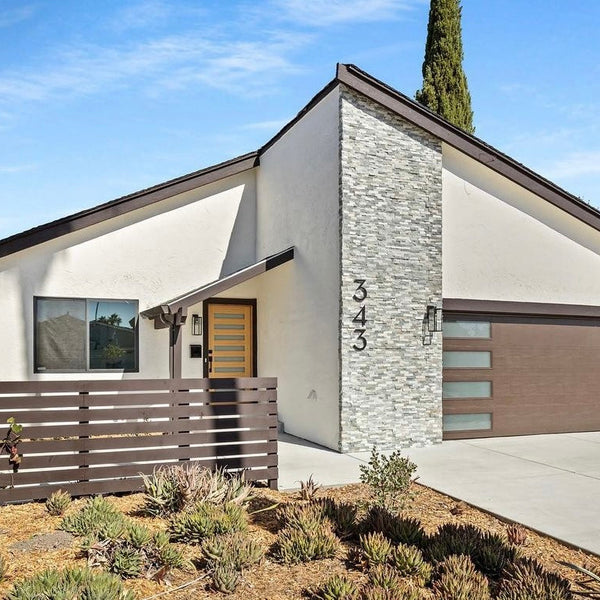
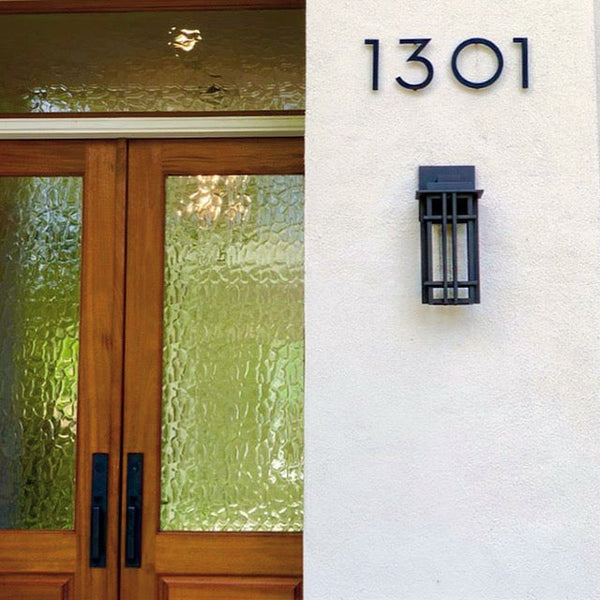
For personalization at a residential scale, custom font selection, material texture, and address layout allow homeowners to reflect architectural style, from mid-century modern to contemporary.
How Do Design Elements Like Fonts and Finishes Influence a Monument Sign's Message?
Design elements like fonts and finishes influence a monument sign's message by communicating tone, authority, and brand personality before a viewer reads a single word.
Typography carries distinct psychological weight. Clean, sans-serif fonts are adopted by 65% of modern corporate monument installations to convey stability and professionalism, while serif fonts are preferred for institutional sectors to evoke tradition, according to Impact Signs. Brushed metal finishes signal contemporary minimalism; textured stone or brick surfaces communicate permanence and heritage.
Finish choices also affect longevity. Powder-coated metal elements typically require refinishing every 5 to 10 years to maintain UV protection and prevent corrosion. Selecting the right font and finish pairing is one of the most overlooked decisions in monument sign design, yet it directly shapes whether the sign reads as authoritative, welcoming, or timeless.

How Do Monument Signs Support Local Identity and Community Connection?
Monument signs support local identity by reinforcing shared aesthetics, marking boundaries, and communicating values to visitors and residents alike. The subsections below cover the role monument signs play in neighborhoods and professional settings, and how they reflect personal or brand values.
What Role Do Monument Signs Play in Neighborhood Identity or Professional Settings?
Monument signs play a central role in neighborhood identity by establishing visual boundaries, unifying aesthetics, and improving wayfinding. Over 80% of master-planned communities use monument signs at entry points to enforce a unified look and define neighborhood limits, according to the Lowry Community Master Association. Research compiled by Newton Graham Consultants found that during the 1981–82 housing downturn, neighborhoods with attractive entrance monument signs maintained the highest resale values. Approximately 54% of people have driven past a business without finding it due to poor signage, underscoring why eye-level monument signs are critical for navigation. In professional settings, a semi-annual cleaning schedule is recommended for urban monument signs to prevent pollutant buildup and preserve curb presence.
How Can a Monument Sign Reflect Personal or Brand Values?
A monument sign reflects personal or brand values through deliberate material choices, typography, finish, and design language that communicate identity before anyone steps inside. According to the BrandSpark/Better Homes and Gardens American Shopper Study, 41.5% of consumers make quality assumptions based on clear and attractive signage, while 35.8% have entered an unfamiliar store purely because of sign quality. A well-crafted sign tells passersby what a business or community stands for. Prioritizing timeless design over trendy aesthetics is often the most effective strategy here; signs that reflect genuine values age far better than those chasing short-term visual trends.
With a sign that expresses authentic identity, the foundation for lasting community recognition is firmly established.
What Maintenance Factors Influence the Lasting Impression of a Monument Sign?
Maintenance factors that influence a monument sign's lasting impression include material durability, cleaning frequency, climate exposure, and finish condition. The sections below cover routine upkeep requirements and how durability directly shapes the statement a sign makes over time.
What Maintenance Is Required to Keep Monument Signs Looking Their Best?
The maintenance required to keep monument signs looking their best includes regular cleaning, finish refinishing, and climate-specific inspections. Professional recommendations call for a semi-annual cleaning schedule in urban environments to prevent pollutant buildup. According to Architectural Signs, powder-coated metal elements typically require refinishing every 5 to 10 years to maintain UV protection and prevent corrosion in variable climates. For coastal installations, aluminum is a strong choice: it carries a lifespan of 7 to 15 years with natural corrosion resistance, per Blink Signs. Signs in northern climates face accelerated damage from freeze-thaw cycles, while southern signs experience 30% faster fading of non-UV-rated graphics.
How Does Durability Impact the Ongoing Statement a Monument Sign Makes?
Durability impacts a monument sign's ongoing statement by determining how consistently it projects quality, legibility, and brand integrity over years of exposure. A sign that fades, cracks, or corrodes signals neglect, undermining the first impression it was designed to create. Masonry materials like concrete, brick, and stone are engineered to withstand harsh weather for 30 or more years, while HDU can last 10 or more years with proper care. Choosing the right material for your climate is arguably the single highest-leverage maintenance decision an owner can make, since it reduces intervention costs while preserving visual impact long-term.

How Can Modern House Numbers Help You Achieve a Statement-Making Address Sign?
Modern House Numbers helps you achieve a statement-making address sign through architect-designed, handcrafted products built from recycled aluminum in Tucson, Arizona. The sections below cover curb appeal benefits and key takeaways for creating a distinctive address sign.
How Do Architect-Designed, Handcrafted Address Signs from Modern House Numbers Enhance Curb Appeal?
Architect-designed, handcrafted address signs from Modern House Numbers enhance curb appeal by combining design expertise with durable, recycled aluminum construction. Founded by architects Brandy and Rick McLain in 2008, Modern House Numbers produces every sign made-to-order in Tucson, Arizona, ensuring precision and personalized detail that mass-produced alternatives cannot replicate. According to The Journal of Real Estate Finance and Economics, high-quality curb appeal can raise a property's value by up to 7% to 12%. Investing in a thoughtfully designed address sign is one of the most cost-effective ways to capture that value. Each order includes a personalized drilling template, concealed hardware, and step-by-step installation instructions for a clean, architectural finish.
What Are the Main Points About How Monument Signs Make a Statement?
The main points about how monument signs make a statement are visual impact, material quality, customization, community identity, and long-term durability. Modern House Numbers addresses each of these through architect-led design, sustainable recycled materials, and made-to-order craftsmanship. Choosing an address sign with intentional design details, appropriate finish, and proper installation transforms a functional necessity into a lasting architectural statement that reflects your property's character and value.