 Numbers + Letters
 QuickShip
 Plaques
 Decals
 Custom
 Trade
Trade


-to-read house numbers are address displays that fail to be legible from the street due to inadequate sizing, poor contrast, bad placement, insufficient lighting, or landscape obstructions. Poor visibility slows emergency responders, confuses delivery drivers, and can violate local building codes.
This guide covers the factors that reduce house number visibility, modern materials and technologies that solve legibility problems, style and sizing decisions that affect readability, U.S. code requirements for address displays, and proven upgrades for hard-to-read numbers.
Visibility depends on a combination of physical factors working together. Lighting conditions, weather, mounting height, and nearby foliage all determine whether numbers can be spotted from a moving vehicle. A sign readable at noon may vanish entirely in fog, rain, or darkness.
Materials and technology have advanced significantly. Powder-coated aluminum resists rust and fading for years, while LED-backlit numbers rated for 50,000+ hours of operation provide consistent nighttime legibility. Photoluminescent options recharge with sunlight and require no wiring, and WiFi-enabled smart displays offer app-controlled brightness.
Size and style choices directly influence readability at distance. A general signage guideline recommends 1 inch of letter height for every 10 feet of viewing distance; a home set back 40 feet needs numbers at least 4 inches tall. Sans-serif fonts and high-contrast color pairings further improve legibility, though legibility varies by size, font, character count, installation location and color.
Municipal codes across U.S. cities set minimum requirements for address number height, stroke width, and placement. NFPA fire codes require numbers to be plainly legible and visible from the fronting street, and many jurisdictions tie compliance to building permits.
Practical upgrades range from simple repositioning and adding solar lighting to professional installation of architect-designed address solutions built from recycled, weather-resistant materials.
What Factors Make House Numbers Hard to See From the Street?
The factors that make house numbers hard to see from the street include poor lighting, incorrect placement, insufficient size, low color contrast, and obstructive landscaping. Each of these issues reduces readability for visitors, delivery drivers, and emergency responders.
How Do Lighting and Visibility Conditions Impact House Number Readability?
Lighting and visibility conditions impact house number readability by determining whether digits remain legible during nighttime, rain, fog, or snow. Without illumination or reflective materials, even properly sized numbers become invisible after dark.
Poor house number visibility is widely acknowledged by emergency services as a significant factor contributing to response delays. As one emergency responder noted, "If it's foggy, raining, at night or any combination of inclement weather you choose, then we aren't going to be able to see numbers on your house. Reflective signs are the best way to ensure we can find you in an emergency."
Conditions that reduce house number readability include:
-
Nighttime darkness with no exterior lighting directed at the address
-
Heavy rain or fog that obscures non-reflective surfaces
-
Snow accumulation covering wall-mounted or ground-level numbers
-
Glare from direct sunlight washing out low-contrast finishes
-
Shadows cast by roof overhangs or porch structures during specific times of day
For most homeowners, adding a dedicated light source or switching to reflective and illuminated numbers solves the majority of weather-related visibility problems.

Where Should House Numbers Be Placed for Maximum Visibility?
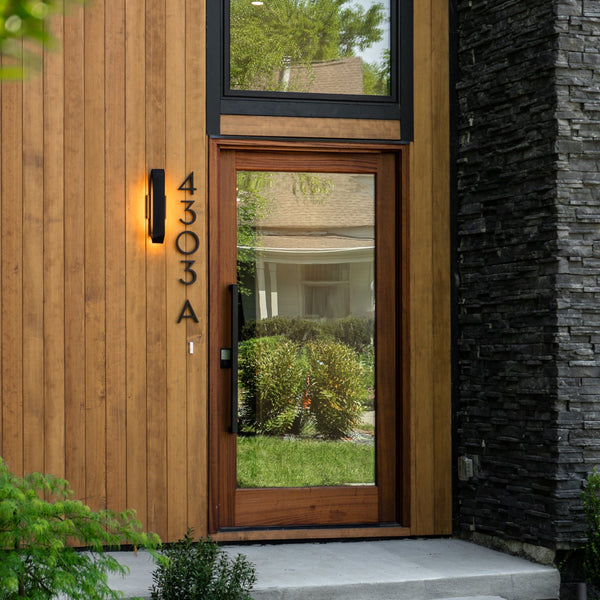
House numbers should be placed at eye level or higher, in a location free from obstructions like overgrown foliage or seasonal decorations, according to Brick and Batten's address visibility guidelines. The position must face the street or road fronting the property.
The NFPA 1 Fire Code requires that address numbers be "plainly legible and visible from the street or road fronting the property." To meet this standard, the National Fire Protection Association recommends signs incorporate a white reflective background with black lettering.
Key placement guidelines include:
-
Mount numbers on the side of the home facing the primary roadway
-
Position at a height between 4 and 5 feet above ground level for direct sightlines
-
Ensure the mounting surface contrasts with the number color and finish
-
Avoid locations shaded by awnings, porches, or recessed entryways
-
Keep numbers visible from both directions of approaching street traffic
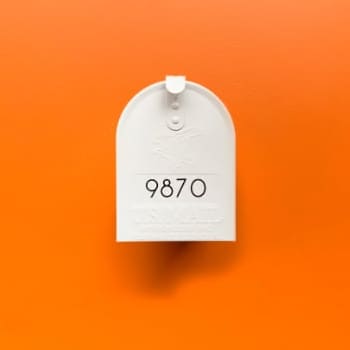
When a home sits far from the road, a secondary set of numbers on the mailbox or a post near the curb significantly improves identification from a moving vehicle.
How Do Plantings or Landscape Features Obstruct House Numbers?
Plantings and landscape features obstruct house numbers by physically blocking the line of sight between the street and the mounted address. Shrubs, climbing vines, ornamental trees, and seasonal flower arrangements are the most common culprits.
A house number that was fully visible at installation can become hidden within a single growing season. Branches that extend across a facade, hanging baskets near the front door, and hedges along the property line all create visual barriers. According to Atlas Signs and Plaques, residential address plaques with 4-inch numbers are readable from about 40 feet away; if any foliage falls within that sightline, readability drops dramatically.
To prevent landscape obstruction:
-
Trim shrubs and tree branches within a 3-foot radius of mounted numbers at least twice per year
-
Avoid placing planters, hanging baskets, or flags directly adjacent to the address
-
Choose planting locations that will not encroach on the number's sightline as plants mature
-
Inspect visibility from the street after each seasonal landscaping change
Overgrown landscaping is one of the easiest visibility problems to fix, yet it remains one of the most frequently overlooked. With visibility factors addressed, the next step is choosing materials and technologies that maintain readability long term.
What Are the Latest Materials and Technologies Enhancing House Number Visibility?
The latest materials and technologies enhancing house number visibility include reflective sheeting, LED-backlit displays, powder-coated aluminum, and photoluminescent pigments. Below, each category is explored for legibility, durability, and sustainability.
How Do Reflective and Illuminated House Numbers Improve Legibility?
Reflective and illuminated house numbers improve legibility by returning light toward its source, making digits visible in rain, fog, snow, and nighttime darkness. Reflective materials use retroreflective sheeting that bounces vehicle headlights back to the driver, while illuminated options use LED backlighting or solar-powered fixtures to produce their own light. As one emergency responder noted, "If it's foggy, raining, at night or any combination of inclement weather you choose, then we aren't going to be able to see numbers on your house. Reflective signs are the best way to ensure we can find you in an emergency." For homes with deep setbacks, combining both technologies provides consistent readability across all conditions.
What Benefits Do Modern Aluminum or Metal Numbers Offer for Visibility?
Modern aluminum or metal numbers offer rust resistance, dimensional depth, and long-term color retention that keeps digits sharp and readable for years. Aluminum is lightweight yet impressively durable when treated with powder coating or UV-protected finishes. According to Rusty Rooster Metal, "Aluminum, although lightweight, offers impressive durability when treated properly. If you're looking for something more unique, custom metal options are available." The dimensional profile of solid metal numbers also creates natural shadow lines, which enhance contrast against the mounting surface. For homeowners who want both function and architectural style, metal remains one of the most reliable choices.

Are There Sustainability Considerations With New House Number Materials?
There are meaningful sustainability considerations with new house number materials, particularly around recycled content and energy-free visibility. Photoluminescent house numbers, for example, use high-performance pigment material that requires no power; they absorb sunlight during the day and glow at night. Recycled aluminum is another advancement. As noted on the Modern House Numbers sustainability page, "Our philosophy has always been that design should be simple, durable and long lasting – in other words, sustainable." Choosing recycled, made-to-order materials reduces manufacturing waste while still meeting code requirements, such as the New York City Administrative Code minimum of 4 inches (102 mm) high with a 1/2-inch stroke width. With these options now widely available, style choices and size standards inform sustainable material selection.
How Do Style and Size Choices Affect House Number Visibility?
Style and size choices affect house number visibility by determining legibility at specific viewing distances and environmental conditions. The subsections below cover optimal font styles and sizing, plus how color contrast and backgrounds influence readability.
What Are the Best Font Styles and Sizes for Readable House Numbers?
The best font styles and sizes for readable house numbers are clean sans serif typefaces sized according to your home's setback distance. A widely accepted signage guideline recommends 1 inch of letter height for every 10 feet of viewing distance. However, legibility varies by size, font, character count, installation location and color. For most residential settings, this translates to practical minimums:
-
A home 40 feet from the road needs numbers at least 4 inches tall.
-
A home with a 60-foot setback needs 6-inch or larger numbers.
-
Properties on wide lots or rural roads often require 8-inch numbers or above.
Decorative, script, or italic fonts reduce legibility, especially at speed or in low light. Bold, uniform stroke widths in sans serif designs maintain clarity across conditions. Choosing the right size for your setback is arguably the single highest-impact decision for street-level readability.
How Do Color Contrast and Backgrounds Impact Readability?
Color contrast and backgrounds impact readability by determining how quickly the human eye distinguishes house numbers from their mounting surface. High contrast between the number and its background is essential; dark numbers on a light wall, or light numbers on a dark facade, create the sharpest definition from the street.
Insufficient contrast is one of the most common reasons house numbers become difficult to read. A visible property is also more likely to be noticed during emergencies, according to insurance industry discussions on property identification and risk assessment. Matte finishes tend to reduce glare that washes out numbers in direct sunlight, while reflective or backlit options preserve contrast after dark.
With style and sizing optimized, understanding local code requirements ensures your numbers also meet legal standards.

What Local Codes or Regulations Affect House Number Visibility in the United States?
Local codes and regulations affecting house number visibility in the United States include municipal building codes, fire codes, and ADA accessibility guidelines. Requirements vary by city and county, covering minimum size, placement, and legibility standards.
Are There Minimum Size or Placement Requirements for House Numbers in 2026?
Yes, there are minimum size and placement requirements for house numbers in 2026, and they vary by jurisdiction. Municipal codes across major U.S. cities specify exact dimensions and positioning to ensure numbers remain legible from the street.
Common requirements include:
-
New York City mandates house numbers at least 5 inches tall, made from metal, glass, plastic, wood, or paint.
-
Florida's Bay County requires residential address numbers at least four inches tall, plainly visible from the fronting roadway.
-
The NFPA 1 Fire Code requires address numbers placed in a position to be plainly legible and visible from the street or road fronting the property.
Homeowners should contact their local building or fire department for jurisdiction-specific rules, since no single federal standard governs residential house number size. Checking your municipality's code before installing new numbers prevents costly corrections later.

How Can Homeowners Ensure Compliance With Safety and 911 Guidelines?
Homeowners can ensure compliance with safety and 911 guidelines by meeting local code minimums, following ADA best practices, and choosing durable, high-contrast materials. According to the United States Access Board's Chapter 7 signage guidelines, characters on signs should be sans serif, not italic or decorative, to maximize legibility
Key steps for compliance include:
-
Verifying your city or county's minimum number height and placement rules.
-
Using high-contrast colors so numbers stand out against the facade.
-
Selecting durable materials, such as solid aluminum with weather-resistant finishes that withstand the elements.
-
Positioning numbers where they are unobstructed and visible from the street at night.
Even though ADA standards primarily apply to commercial and public buildings, applying these principles to residential signage significantly improves readability for emergency responders and visitors alike. Understanding your local regulations is the foundation; selecting the right materials and design turns compliance into lasting curb appeal.
What Are Proven Tips for Improving Hard-to-Read House Numbers in 2026?
Proven tips for improving hard-to-read house numbers in 2026 include upgrading materials, adding illumination, and ensuring proper placement. The sections below cover simple DIY fixes and when professional installation makes sense.
What Simple Upgrades Quickly Boost House Number Visibility?
Simple upgrades that quickly boost house number visibility include switching to high-contrast colors, upsizing digits, and adding reflective or illuminated options. Start with these practical changes:
-
Replace faded or painted-on numbers with solid, weather-resistant metal digits in a contrasting finish.
-
Upgrade to reflective or backlit numbers so your address stays readable after dark and during storms.
-
Increase number height to match your setback distance; homes farther from the road need 6-inch or 8-inch digits.
-
Clear obstructions like overgrown shrubs, seasonal decorations, or fixtures that block the line of sight from the street.
-
Add a dedicated light source, such as a solar spotlight or LED fixture, angled directly at your address.
Most homeowners can complete these upgrades in under an hour, yet the improvement in curb-side legibility is immediate and significant.
When Should You Consider Professional Help for Address Sign Installation?
You should consider professional help for address sign installation when local building codes require specific placement, when your facade material demands specialized mounting, or when electrical work is needed for hardwired illumination. Cities like San Francisco mandate that street numbers be placed in a manner acceptable to the Building Official per Section 107A.10 of the San Francisco Building Code, so compliance is not always straightforward.
Aluminum address signs resist rust, fading, and harsh weather, making them a durable, low-maintenance choice that stays sharp and readable for years. However, mounting solid aluminum digits into stone, stucco, or glass often calls for precision drilling and concealed hardware that a professional handles more reliably. For most homeowners, investing in expert installation pays off through a cleaner result and full code compliance, especially on complex facades.
With practical upgrades and the right installation approach in place, choosing a purpose-built address solution brings lasting visibility.
How Can Modern House Numbers Help You Achieve Optimal House Number Visibility?
Modern House Numbers can help you achieve optimal house number visibility by combining architect-designed aesthetics with precision-crafted materials built for lasting legibility. The subsections below cover available handcrafted solutions and essential takeaways for 2026.
What Architect-Designed, Handcrafted Address Solutions Are Available for Enhancing Visibility?
Architect-designed, handcrafted address solutions available for enhancing visibility include custom house numbers, letters, and plaques precision-cut from solid, recycled aluminum. These products are available in multiple modern font styles, each precision-crafted in Tucson, Arizona. Every piece ships with a personalized drilling template and concealed hardware, ensuring a clean, floating installation. According to a widely accepted signage guideline, 1 inch of letter height provides readability for every 10 feet of viewing distance, however, legibility varies by size, font, character count, installation location and color. This makes properly sized, high-contrast aluminum numbers legible from the street even at significant setbacks. For homeowners who want both curb appeal and safety compliance, architect-designed solutions deliver visibility without sacrificing style.

What Are the Key Takeaways for Boosting House Number Visibility in 2026?
The key takeaways for boosting house number visibility in 2026 are:
-
Size numbers correctly for your setback distance, using at least 5 inches in height for standard lots.
-
Choose durable, high-contrast materials like powder-coated aluminum that resist rust and fading.
-
Mount numbers between 4 and 5 feet above ground, free from obstructions such as overgrown foliage or seasonal decorations.
-
Consider reflective or illuminated options for nighttime and inclement weather legibility.
-
Verify compliance with local fire codes and municipal requirements for address display.
As the Burgess Health Center warns, invisible or hard-to-read numbers force emergency personnel to spend extra minutes locating your home, and those minutes could mean the difference between life and death. Prioritizing visibility is one of the simplest, most impactful upgrades any homeowner can make.