 Numbers + Letters
 QuickShip
 Plaques
 Decals
 Custom
 Trade



A curb stencil is a reusable or single-use template used to paint address numbers directly onto a street-facing curb, creating a low, ground-level sightline.
This guide covers visibility and safety, curb appeal and design options, practical durability and cost advantages, installation steps, customization, and how architect-designed address signs compare to traditional painted stencils.
Poor address identification directly delays emergency response and deliveries. We examine why curb-level visibility matters for fire crews, paramedics, and delivery drivers, and how clearly stenciled numbers reduce risk for residents and visitors year-round.
A clean, legible curb number shapes first impressions before anyone reaches the front door. Research links a property's overall curb appeal to as much as 7% of its total sale price, and we cover how design options like reusable plastic kits let homeowners align address marking with their home's aesthetic.
Curb stencils are favorable in terms of cost, maintenance, and weather resistance. High-quality exterior acrylic paint bonds directly to concrete and we walk through materials, surface preparation, and application technique for a professional result.
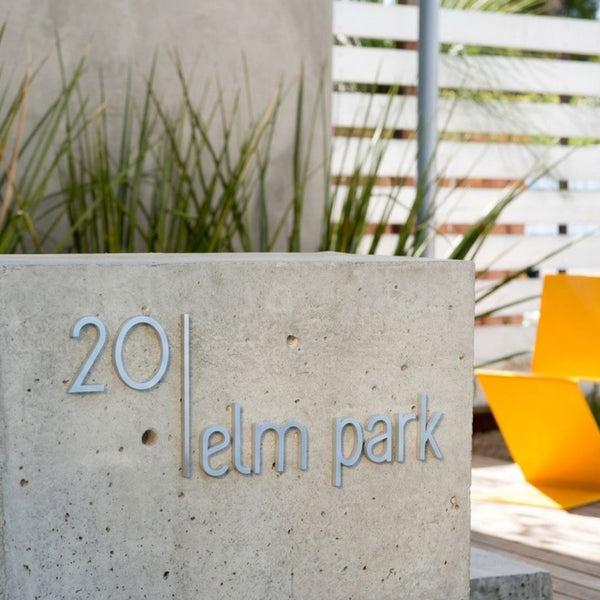
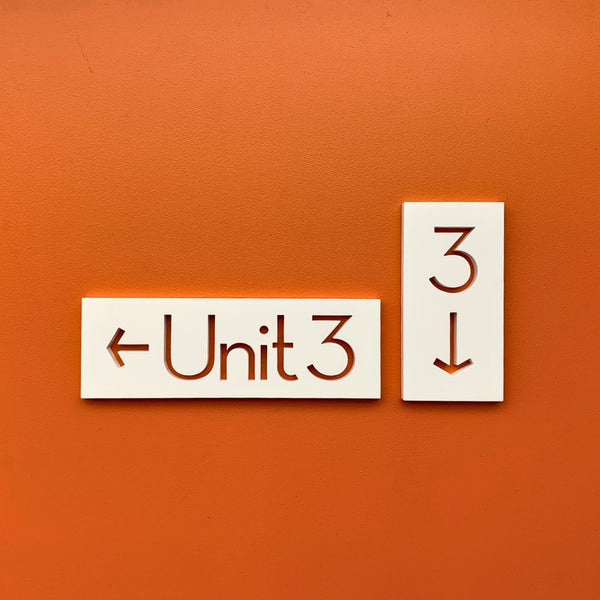
For homeowners who want to go beyond painted numbers, we compare traditional curb stencils to architect-designed address markers, including how Modern House Numbers produces made-to-order signs from recycled aluminum that meet fire code requirements while serving as deliberate design elements at the street level.
How Does a Curb Stencil Improve Home Visibility and Safety?
A curb stencil improves home visibility and safety by placing clearly painted address numbers on the street-facing curb, making your property identifiable from multiple directions. The sections below cover why visibility matters for emergency services and deliveries, and how stenciled numbers protect residents and visitors.
Why Is Visibility Important for Emergency Services and Deliveries?
Visibility is important for emergency services and deliveries because poor address identification directly delays response times and package delivery. According to 911Ready.org, only 50% of street addresses are visible to emergency responders approaching from the opposite direction, creating significant delays during time-sensitive situations. A single incorrect address caused a documented 10-15 minute fire response delay, resulting in a garage being destroyed before crews reached the correct location. For deliveries, USPS First-Class Mail achieved only 84.0% on-time delivery in Q2 fiscal year 2024, with address identification challenges contributing to variability. Curb-painted numbers provide a low, street-level sightline that house-mounted numbers often cannot match.
How Does a Curb Stencil Enhance Safety for Residents and Visitors?
A curb stencil enhances safety for residents and visitors by making the property address readable at ground level, particularly at night and during poor weather. The National Fire Protection Association requires building address numbers to be visible from the street to assist emergency responders. Paint applied with a curb stencil creates a high-contrast marking readable from a moving vehicle, satisfying this core requirement. DIY startup costs run approximately $30 for basic stencils and paint supplies, making this one of the most accessible safety upgrades available to homeowners. Clear curb numbers also reduce confusion for visiting guests, rideshare drivers, and delivery personnel arriving after dark.
In What Ways Can a Curb Stencil Boost Curb Appeal?
A curb stencil boosts curb appeal by creating clearly marked, visually clean address numbers at street level that improve property presentation and buyer perception. The sections below cover how marked numbers shape first impressions and which design options are available.
How Does Having Clearly Marked Numbers Affect First Impressions?

Having clearly marked numbers affects first impressions by signaling an organized, well-maintained property the moment a visitor, buyer, or delivery driver approaches. Address presentation is part of a home's overall exterior condition, and that condition carries measurable financial weight. According to a 2020 study published in The Journal of Real Estate Finance and Economics by Johnson, Tidwell, and Villupuram, a property's own curb appeal may account for up to 7% of its total sale price. A clean, legible curb number is a low-effort, high-visibility detail that directly contributes to that perception. In practice, it is one of the fastest exterior improvements a homeowner can make.
What Design Options Are Available for Curb Stencils to Enhance Aesthetics?
The design options available for curb stencils to enhance aesthetics include several distinct product categories suited to different budgets and applications. According to retail pricing data, the market offers the following options:
- Reusable plastic stencils: Durable, multi-use kits for DIY applications, priced from $10 to $50.
- Single-use adhesive stencils: Peel-and-stick application for one-time use, priced from $3 to $15.
- Custom metal stencils: Professional-grade stencils for commercial applications, priced from $30 to $100 or more.
- Reflective paint stencils: Specialized stencils for enhanced nighttime visibility.
- Designer address plaques: Premium alternatives to painted stencils, priced from $35 to $150 or more.
Consumers increasingly prefer options that reflect individual home aesthetics, and this preference extends to address marking choices that complement architectural styles. For homeowners who want a solution that goes beyond what a painted curb can offer, architect-designed address signs provide a permanent, design-forward alternative.
How Do Curb Stencils Provide Practical Advantages Compared to Other Address Solutions?
Curb stencils provide practical advantages through durability, low cost, and easy maintenance compared to alternatives like metal plaques or illuminated signs. The following sections cover weather resistance, affordability, and long-term upkeep.
What Makes Curb Stencils More Durable or Weather-Resistant?
Curb stencils are durable because high-quality exterior acrylic paint bonds directly to concrete, creating a weather-resistant marking that withstands sun, rain, and temperature fluctuations. According to the Hemway Exterior Acrylic Paint Guide, high-quality exterior acrylic paint lasts 5 to 10 years or more when applied correctly, with longevity depending on climate conditions, surface preparation quality, and application technique. Proper surface preparation before application is the single biggest factor in achieving maximum lifespan, making it an effort worth investing upfront.
How Affordable and Cost-Effective Are Curb Stencil Solutions?
Curb stencil solutions are highly affordable, with reusable stencil kits available for $10 to $50, single-use adhesive stencils for $3 to $15, and custom metal stencils from $30 to $100 or more. DIY startup costs run approximately $30 for basic stencils and paint supplies. By contrast, premium metal house numbers retail for $35 to $150 per unit. For homeowners seeking maximum address visibility at minimal cost, a reusable stencil kit paired with quality exterior paint delivers exceptional value relative to permanent mounted alternatives.
How Easy Is It to Maintain or Update Curb Stenciling Over Time?
Curb stenciling is easy to maintain because the same stencil kit used for the original application can repaint faded numbers in under an hour. There is no need to remove hardware, fill holes, or repurchase new mounting brackets. When an address changes, the old marking can be painted over and a new number applied using the same process. This simplicity makes curb stencils one of the most practical long-term address solutions available to homeowners.
What Are the Steps to Installing and Using a Curb Stencil Effectively?
The steps to installing and using a curb stencil effectively cover three key stages: gathering the right materials and tools, preparing the curb surface, and applying paint cleanly for a lasting result.
Which Materials and Tools Are Needed for Curb Stencil Application?
The materials and tools needed for curb stencil application include a stencil, exterior paint, masking tape, a stiff-bristle brush or foam roller, and basic cleaning supplies. Reusable plastic stencils typically cost $10–$50, while single-use adhesive stencils range from $3–$15. Reflective paint is recommended for enhanced nighttime visibility. Having all supplies on hand before starting prevents mid-application delays that can affect paint quality.
What Preparation Is Required Before Applying a Curb Stencil?
Preparation required before applying a curb stencil includes cleaning, drying, and degreasing the curb surface to ensure proper paint adhesion. Remove loose debris, dirt, and any existing paint residue with a stiff brush. Secure the stencil with masking tape to prevent shifting during application. Allow the surface to dry fully before painting, and position the stencil level and centered on the curb for consistent alignment.
How Can Users Ensure a Crisp, Professional-Looking Result?

Users can ensure a crisp, professional-looking result by controlling environmental conditions and applying paint in thin, even layers. According to the Pro Coatings Guide, humidity exceeding 85% or surface temperatures below the dew point can cause adhesion failures and flash rusting. Apply paint on dry days with moderate temperatures. Allow the background color to cure completely before adding address numbers, and remove the stencil carefully after paint is completely dry to avoid smearing.
Why Should Homeowners or Professionals Consider Customization in Curb Stencils?
Homeowners and professionals should consider customization in curb stencils because it allows address marking to serve both functional and aesthetic goals simultaneously. The sections below cover how customization adds homeowner value and which specific options are available.
How Does Customization Add Value for Homeowners?
Customization adds value for homeowners by aligning curb address marking with a property's architectural style, color scheme, and personal preferences rather than defaulting to a generic stencil. A standard black-and-white painted number functions, but a customized layout, color contrast, or font choice elevates the overall presentation. Consumers are increasingly moving away from standardized home products toward options that allow personalization of colors, materials, and sizes, and address marking is part of that broader shift. For homeowners who have already invested in landscaping, exterior paint, or premium fixtures, a generic curb stencil can undercut the visual cohesion that those investments create. Customization closes that gap without requiring significant additional expense.
What Customization Options Are Typically Offered for Curb Stencils?

The customization options typically offered for curb stencils include font style, number size, border design, and material type. According to a Swivl custom stencil cost analysis, custom stencil jobs in the United States range from $17.50 to $39, with pricing varying by stencil size, material, and complexity, while reusable plastic stencils cost $10 to $50 depending on quality and customization level. The most common options available to buyers are:
- Font and character style: Block, serif, or modern typeface choices.
- Color combinations: Custom background and number color pairings for contrast.
- Stencil material: Reusable plastic, single-use adhesive, or professional-grade metal.
- Size: Scaled to meet local code requirements or property-specific visibility needs.
- Additional elements: Borders, reflective coatings, or decorative framing.
For most homeowners, a reusable plastic stencil with a custom font and high-contrast color is the most practical starting point, since it balances cost, durability, and visual impact without requiring professional installation.
How Do Modern, Architect-Designed Number Solutions Compare to Traditional Curb Stencils?
Modern, architect-designed number solutions offer superior design coherence, material permanence, and curb presence compared to traditional curb stencils. The sections below cover the advantages of handcrafted designer markers and the impact of architectural expertise on quality.
What Are the Advantages of Choosing Handcrafted, Designer Address Markers?
The advantages of choosing handcrafted, designer address markers include lasting materials, architectural-quality finishes, and design integration with your home's exterior. Unlike painted curb stencils, premium address plaques serve as deliberate design elements that enhance home entrances while remaining functional for guests, delivery drivers, and emergency services.
Handcrafted markers are made to order, meaning each piece reflects the homeowner's specific aesthetic rather than a generic template. For design-conscious homeowners, this distinction matters considerably: a well-chosen address marker reinforces the entire exterior design narrative rather than simply satisfying a utility requirement.
How Does Architectural Expertise Impact Quality and Appearance?
Architectural expertise impacts quality and appearance by ensuring address markers are proportioned, material-appropriate, and visually coherent with the structure they identify. A 2018 NBER Working Paper (Glaeser, Kincaid, and Naik) found that visible home presentation elements are capitalized into market valuations, suggesting that design quality at the street level carries measurable financial weight.
Architect-designed solutions apply the same principles used in building design: scale, contrast, material selection, and placement. The result is an address marker that looks intentional rather than incidental. For homeowners investing in curb appeal, this level of design rigor represents a meaningful upgrade over stenciled numbers that fade and wear over time.
How Can Modern House Numbers Support Your Curb Appeal Goals with Custom Address Signs?

Modern House Numbers supports your curb appeal goals by offering architect-designed, handcrafted custom address signs that merge compliance, visibility, and design. The sections below cover made-to-order sign options and key takeaways from this article.
Can Made-to-Order, Architect-Designed Address Signs from Modern House Numbers Help Elevate Your Curb?
Yes, made-to-order, architect-designed address signs from Modern House Numbers can help elevate your curb by combining fire-code compliance with distinctive visual presence. Address numbers must be continuously visible, contrast sharply with their background, and meet minimum size requirements, including 6-inch height for single-family residential properties, per Clark-Cowlitz Fire Rescue's 2024 fire code standards.
Modern House Numbers produces curb stencils with font options spanning midcentury to contemporary styles. According to 2026 research by Coherent Market Insights, consumers are actively moving away from standardized home products toward personalized options in colors, materials, and sizes, and custom address signs sit squarely within that shift. The house number market itself is projected to grow from USD 389 million in 2024 to USD 475 million by 2031, reflecting broad demand for premium addressing solutions.
Premium metal house numbers retail between $35 and $150 per unit, positioning Modern House Numbers competitively within a market that values both design and durability. For homeowners who want address marking that serves guests, delivery drivers, and emergency services while genuinely enhancing a home's entrance, architect-designed custom signs are the most effective single upgrade available.
What Are the Key Takeaways About Top Benefits of Using a Curb Stencil We Covered?
The key takeaways about the top benefits of using a curb stencil center on three practical outcomes: safety, visibility, and affordability. Across this article, the evidence consistently points to address visibility as a non-negotiable baseline, while design quality determines how far that baseline extends into genuine curb appeal.
The most actionable conclusions to carry forward are:
- Emergency visibility matters most. Only 50% of street addresses are visible to responders from the opposite direction, making clearly marked curb numbers a direct safety measure, not just an aesthetic one.
- Compliance is non-negotiable. Residential address numbers must meet minimum height, contrast, and illumination requirements set by fire codes and adopted by local jurisdictions.
- Curb stencils offer accessible entry. DIY kits range from $10 to $50, making painted curb numbers one of the most cost-effective address visibility upgrades available.
- Design quality amplifies value. Address presentation influences buyer perception; research links address characteristics to measurable property price premiums and discounts.
- Durability requires maintenance planning. Exterior painted surfaces need repainting every 5 to 10 years, so any address marking solution should include a scheduled upkeep plan.
For homeowners ready to go beyond the painted curb, Modern House Numbers offers a complete upgrade path from custom-made stencils to architect-designed custom signs.