 Numbers + Letters
 QuickShip
 Plaques
 Decals
 Custom
 Trade
Trade


Metal house numbers are exterior address signs crafted from metals like aluminum, stainless steel, brass, bronze, or copper, chosen for their durability, weather resistance, and design versatility. They serve both a functional role in home identification and an aesthetic role in elevating a property's exterior presentation.
This guide covers metal types and how they differ, the advantages of choosing metal over other materials, potential drawbacks and maintenance considerations, how to select the best material for your budget and style, and climate performance factors that affect longevity.
Aluminum, stainless steel, brass, bronze, and copper each bring distinct properties to architectural signage. Aluminum is roughly 2.5 times lighter than steel, making it easy to mount on virtually any surface. Stainless steel excels in coastal environments thanks to a self-healing chromium oxide layer, while copper alloys develop a naturally protective patina over years of exposure.
Metal house numbers can last 50 or more years, and that longevity translates directly into curb appeal and property value. Homes with polished exterior details consistently sell at higher prices, and custom metal numbers contribute to the "finished look" that buyers notice first.
Not every metal performs equally in every setting. Copper and brass require protective coatings that degrade over time, and coastal or high-humidity climates accelerate corrosion on unprotected surfaces. Choosing the wrong metal for your environment can mean premature wear.
Selecting the right material means weighing climate exposure, finish preferences, local building code requirements, and budget. Factors like minimum height mandates, contrast requirements, and HOA rules all influence which metal and style will work best for your home.
What Metal Types Are Commonly Used for House Numbers and How Do They Differ?
The metal types commonly used for house numbers are aluminum, stainless steel, brass, bronze, and copper. Each differs in weight, corrosion resistance, appearance, and long-term maintenance needs. The sections below compare these metals across performance and style.
How Does Aluminum Compare to Stainless Steel for House Numbers?
Aluminum compares to stainless steel for house numbers primarily in weight, corrosion behavior, and environmental impact. Aluminum is approximately 2.5 times lighter than steel, with a density of about 2,700 kg/m³, making it easier to mount on wood, stucco, and composite siding without heavy-duty fasteners.
Stainless steel delivers superior corrosion resistance. According to the Specialty Steel Industry of North America, Type 304 stainless steel contains approximately 18% chromium and 8% nickel for reliable performance in most environments, while Type 316 adds 2-3% molybdenum for coastal and high-chloride areas. That chromium content creates a passive oxide layer that self-heals when scratched, which is why stainless steel ranks as the top performer near saltwater.
On the sustainability side, recycled aluminum production generates 92% to 95% fewer carbon emissions compared to primary production from raw ore. For most homeowners balancing durability with eco-conscious sourcing, aluminum offers the strongest combination of lightweight installation, recyclability, and lasting performance.
What Are the Unique Qualities of Brass, Bronze, and Copper House Numbers?
The unique qualities of brass, bronze, and copper house numbers center on their warm tonal richness and living surface character. Unlike aluminum or stainless steel, these "red metals" develop a natural patina over time, giving each piece a one-of-a-kind aged appearance.
Reflecting a 2026 design shift toward warm, grounded palettes, house numbers are trending toward earthy finishes like dark bronze and matte brass. This movement favors the organic warmth these alloys naturally provide.
Maintenance is the trade-off. Clear coatings on copper or brass surfaces create a weather barrier to prevent oxidation, but these coatings degrade over time and eventually require stripping and replacement. Homeowners who prefer a bright, polished look should expect periodic recoating, while those who embrace the developing patina can largely leave these metals alone.
Are Powder-Coated Metals or Recycled Metal House Numbers More Durable?
Powder-coated metals and recycled metal house numbers are both highly durable, though their longevity depends on different protective mechanisms. According to Delta Metals, metal house numbers offer a 50+ year lifespan, helping homeowners avoid frequent replacements associated with less durable materials.
Powder coating protects the base metal with a thick, UV-resistant finish. Accelerated corrosion testing shows that salt, fog, and ultraviolet light exposure produce the maximum stress on protective coatings, so powder-coated numbers in harsh climates face the greatest challenge. Recoating may eventually be necessary in coastal or industrial environments.
Recycled metals, particularly copper alloys left uncoated, rely on a different strategy. When unprotected, copper oxidizes to form a naturally protective blue-green sulfate patina that resists atmospheric corrosion on its own. Climate matters here as well; moisture from rain, humidity, or fog must be present for corrosion to occur, so arid climates are significantly less corrosive.
For homeowners in dry regions, both options perform exceptionally well. In wetter or salt-heavy areas, the choice comes down to whether you prefer a maintained powder-coat finish or a naturally evolving patina that protects itself over decades.

What Are the Advantages of Choosing Metal House Numbers Over Other Materials?
The advantages of choosing metal house numbers over other materials include superior curb appeal, extensive design flexibility, and minimal long-term maintenance. The following sections cover how metal numbers boost home value, what customization options exist, and how upkeep compares to alternatives.
How Do Metal House Numbers Enhance Curb Appeal and Home Value?
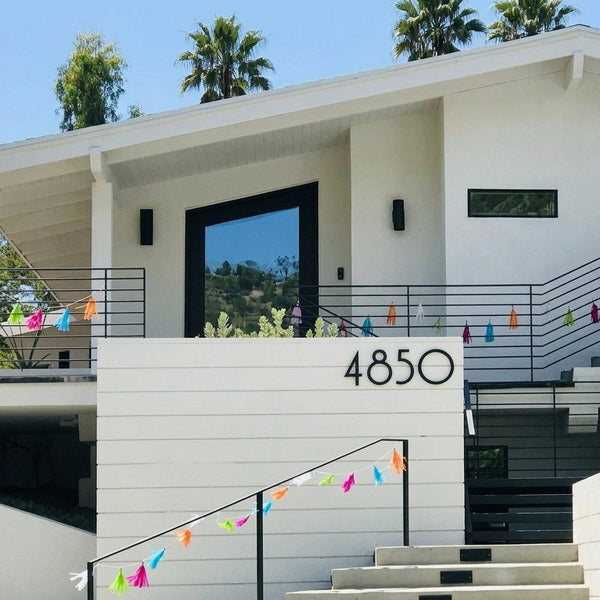
Metal house numbers enhance curb appeal and home value by adding a polished, architectural-quality finish that signals attention to detail. Custom metal signage contributes to a "finished look" that elevates a home's exterior presentation across styles, from mid-century modern to contemporary.
The financial impact is measurable. According to a study cited by REALTOR Magazine, homes with high-quality exterior presentation tend to sell for an average of 7% more than similar houses with an uninviting exterior. In the same vein, 97% of real estate agents have reported that curb appeal is important for attracting buyers, with 75% calling it "very important."
Few exterior upgrades deliver this combination of visual impact and lasting durability at such a low cost relative to the return. For most homeowners, metal house numbers represent one of the simplest high-ROI improvements available.
What Design Options and Customizations Are Available for Metal House Numbers?
The design options and customizations available for metal house numbers span font styles, finishes, sizes, and mounting configurations. Homeowners can select from finishes such as brushed aluminum, matte black, matte brass, and dark bronze, each offering a distinct aesthetic character.
Common customization options include:
-
Font variety: Styles range from sleek sans-serif to art deco and serif typefaces.
-
Finish selection: Options include brushed aluminum and powder-coated matte black, dark bronze, and matte brass.
-
Size range: Numbers are available from small mailbox-scale digits to oversized statement pieces.
-
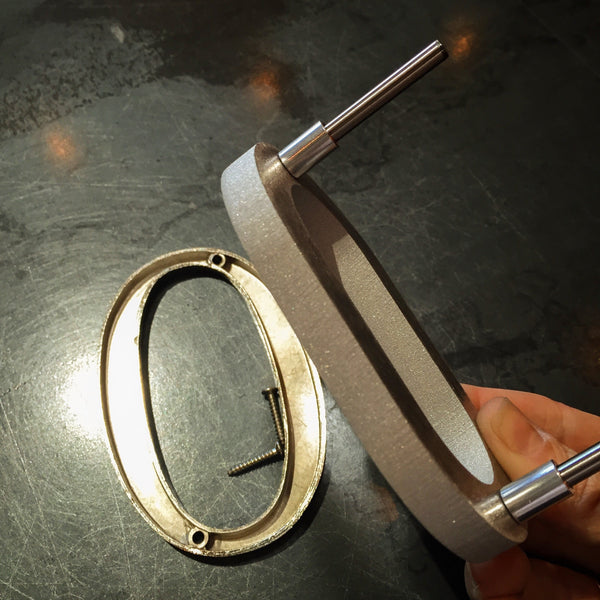
Mounting methods: Flush-mount, floating standoff, and surface-applied hardware each create a different visual depth.
This level of customization means metal house numbers adapt to virtually any architectural style rather than forcing a compromise.
Are Metal House Numbers Easy to Maintain Compared to Alternatives?
Metal house numbers are easy to maintain compared to alternatives like wood, ceramic, or vinyl. Most metal finishes require only occasional wiping with a damp cloth to remove dust and debris, with no painting, sealing, or seasonal treatments needed.
Aluminum and stainless steel are especially low-maintenance because their protective oxide layers resist rust and fading without intervention. Copper and brass develop a natural patina over time, which many homeowners consider a desirable feature rather than a flaw. For those preferring the original luster, periodic polishing restores the surface.
By contrast, wood numbers crack, peel, and require repainting every few years, while plastic and vinyl options become brittle and discolored under UV exposure. Metal's minimal upkeep makes it the most practical long-term choice for busy homeowners.
With these advantages established, understanding the potential drawbacks helps ensure a fully informed material decision.

What Are the Potential Drawbacks or Disadvantages of Metal House Numbers?
The potential drawbacks of metal house numbers include maintenance demands for certain alloys, environmental costs of metal production, and climate-related performance concerns. The following subsections break down each disadvantage.
Do Certain Metals Require More Maintenance or Have Longevity Issues?
Certain metals do require more maintenance and can have longevity issues depending on the alloy and finish. Copper and brass, for example, oxidize when left unprotected, and while clear coatings create a weather barrier to prevent this, the Copper Development Association notes that these coatings degrade over time and eventually require stripping and replacement.
Finishes on any metal number are often extremely thin and vulnerable to damage. Even minor abrasion or chemical cleaning can compromise protective patinas and lacquers. For homeowners who prefer a low-effort exterior, aluminum with a durable powder coat tends to be the most forgiving option, while living-finish metals like brass demand periodic attention to maintain their original appearance.
Are There Environmental Impacts or Sustainability Concerns With Metal House Numbers?
There are environmental impacts and sustainability concerns with metal house numbers, primarily tied to production energy and raw material extraction. Steel production, for instance, generates an estimated 1.4 tons of CO₂ per ton of steel produced, according to data cited by the International Energy Agency. Fabrication methods also factor in; waterjet cutting, a common process for architectural signage, provides precise surface finishes without heat-affected zones.
Recycling significantly offsets these concerns. Recycled aluminum production generates 92% to 95% fewer carbon emissions compared to primary production from raw ore. Choosing suppliers that use recycled metals and made-to-order manufacturing, which minimizes material waste, is one of the most practical ways to reduce the environmental footprint of metal house numbers.
Can Weather or Climate Affect the Performance of Metal House Numbers?
Yes, weather and climate can affect the performance of metal house numbers. Moisture from rain, humidity, condensation, or fog must be present for corrosion to occur, so dry, arid climates tend to be significantly less corrosive for architectural metals. Coastal environments pose the greatest challenge; according to the Nickel Institute, high-chloride atmospheres accelerate degradation of protective coatings and base metals alike.
Stainless steel performs best in these harsh conditions because its chromium content creates a passive oxide layer that self-heals when scratched. Homeowners in humid or salt-air regions should prioritize corrosion-resistant alloys or ensure protective finishes are inspected seasonally. Understanding your local climate before selecting a material prevents premature wear and costly replacements.

How Do You Choose the Best Metal Material for House Numbers Based on Budget and Style?
You choose the best metal material for house numbers by weighing durability, finish options, climate demands, and local code requirements against your budget. The sections below cover key selection factors, balancing aesthetics with practicality, and installation considerations.
What Factors Should Homeowners Consider When Selecting Metal House Numbers?
The factors homeowners should consider when selecting metal house numbers include climate exposure, architectural style, long-term maintenance costs, and material longevity. A coastal home demands corrosion-resistant metals like stainless steel or marine-grade aluminum, while inland properties allow broader material choices at lower price points.
Budget planning should account for rising material costs. According to the National Association of Home Builders, prices across all metals and metal products used in construction rose by 16.6% year-over-year as of March 2026. Key considerations include:
-
Climate and exposure: Coastal, humid, or industrial environments narrow suitable material options.
-
Architectural compatibility: Modern facades pair well with brushed aluminum or matte black; traditional homes suit matte brass or dark bronze tones.
-
Total cost of ownership: Lower upfront cost may mean higher maintenance over time, so weigh initial price against the material's full lifespan.
-
Finish durability: Powder-coated surfaces resist fading, while raw copper or brass patina naturally over time.
Prioritizing total value over sticker price consistently leads to better outcomes for homeowners.
Is It Possible to Combine Aesthetics and Practicality With Metal House Numbers?
Yes, it is possible to combine aesthetics and practicality with metal house numbers. Modern fabrication methods allow manufacturers to pair durable base metals with a wide range of architectural finishes, so homeowners no longer need to sacrifice style for weather resistance.
Aluminum, for example, accepts powder-coated finishes in virtually any color while remaining lightweight and corrosion-resistant. Reflecting a 2026 design shift toward warm, grounded palettes, house numbers are trending toward earthy finishes, according to Drop Cap Studio. Finishes like dark bronze and matte brass deliver a premium look on cost-effective substrates.
The most practical approach is selecting a proven base material first, then choosing a finish that complements your home's exterior palette. This strategy ensures lasting performance without compromising visual impact.

Are Installation or Local Code Considerations Important When Selecting Metal House Numbers?
Yes, installation and local code considerations are important when selecting metal house numbers. Overlooking code requirements can result in fines, failed inspections, or forced replacements.
Local building codes for house numbers vary by jurisdiction and change on different cycles, often requiring checks to prevent permit surprises, as reported by Spacial. Before purchasing, homeowners should verify:
-
Minimum size requirements: Many jurisdictions follow the International Fire Code, which mandates numbers at least 4 inches in height.
-
Contrast standards: Numbers must be a color that contrasts with their background for emergency visibility.
-
Mounting location: Some codes specify placement height, distance from the street, or proximity to the front door.
-
HOA restrictions: Homeowners associations may impose additional finish, font, or material rules beyond municipal codes.
Confirming these details before ordering saves time, money, and the frustration of a second purchase. With these selection criteria in place, the right metal house numbers can deliver decades of style and function.
How Can Modern House Numbers' Handcrafted Aluminum Address Signs Meet Your Needs in 2026?
Modern House Numbers' handcrafted aluminum address signs meet your needs in 2026 by combining architect-designed aesthetics with durable, recycled materials built to last. The following sections cover how these signs enhance curb appeal and summarize the key takeaways from this guide.
Can Architect-Designed, Handcrafted Aluminum House Numbers From Modern House Numbers Help Enhance My Home's Curb Appeal?
Yes, architect-designed, handcrafted aluminum house numbers from Modern House Numbers can help enhance your home's curb appeal. Every sign is precision, water jet-cut from solid, recycled, 3/8-inch thick aluminum in Tucson, Arizona, delivering a clean, modern look that complements styles from mid-century to contemporary. Founded in 2008 by architects Brandy and Rick McLain, Modern House Numbers designs each product to create a finished exterior presentation that elevates a home's first impression.
According to Metastat Insight, the U.S. architectural signage market was valued at $1.43 billion in 2023 and is projected to reach $2.34 billion by 2030, reflecting growing homeowner demand for quality address signage. Modern House Numbers meets this demand with made-to-order customization, multiple font options, and concealed hardware for seamless installation. Each order includes a personalized drilling template and step-by-step instructions, making professional results achievable for any homeowner.

What Are the Key Takeaways About Metal House Numbers: Pros & Cons + Best Materials We Covered?
The key takeaways about metal house numbers covered in this guide are:
-
Aluminum, stainless steel, brass, bronze, and copper each offer distinct advantages in weight, corrosion resistance, and visual character.
-
Metal house numbers deliver a 50-plus year lifespan, making them a long-term investment over plastic or wood alternatives.
-
Climate matters: coastal environments demand stainless steel or powder-coated finishes, while arid climates are less corrosive for most metals.
-
Protective coatings on copper and brass degrade over time and require periodic maintenance to preserve appearance.
-
Local building codes and fire safety regulations set minimum size and contrast requirements that homeowners must verify before installation.
-
Recycled aluminum production generates dramatically fewer carbon emissions than primary production, making it a sustainable choice.
For homeowners ready to combine durability, design, and sustainability, Modern House Numbers offers architect-designed, handcrafted aluminum address signs built to elevate any home's exterior for years to come.