 Numbers + Letters
 QuickShip
 Plaques
 Decals
 Custom
 Trade
Trade


Homeowners often feel stuck deciding between vertical or horizontal house numbers. The wrong format can clash with your design or reduce visibility. To find a professional solution for any space, learning how to choose restroom signs can offer valuable insights into how standardized orientation and sizing improve legibility in diverse environments. The right orientation depends on your architecture and mounting space. To ensure your choices withstand the elements while remaining sharp, consider why metal restroom signs are durable, as the same high-grade materials used for commercial wayfinding are essential for ensuring your home's exterior numbers are seen fast during emergencies
Let’s explain the differences between vertical and horizontal layouts, how to choose the right one for your property, and what to avoid.
What’s the Functional Difference Between Vertical and Horizontal House Numbers?
Horizontal numbers are read left to right. Whereas, Vertical numbers are read top to bottom.
Horizontal orientation is more common. It offers faster readability for drivers and emergency responders. Vertical numbers, however, fit narrow columns, posts, or door frames where horizontal space is limited.
Both formats are functional. The right one depends on placement, viewing angle, and structural layout.
When Does Vertical Orientation Work Best?

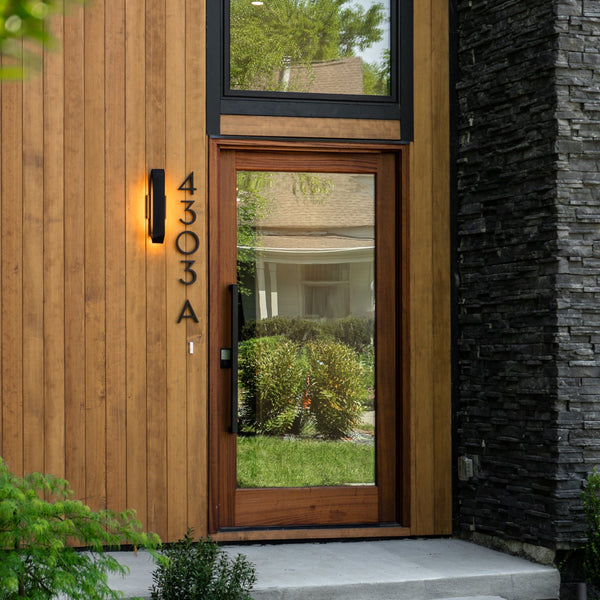
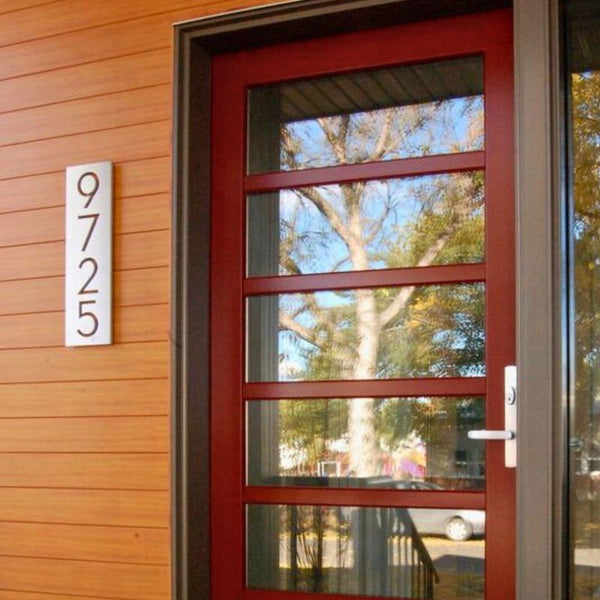
Vertical orientation is required in the following cases:
1. Narrow Mounting Areas
Vertical numbers fit best when you install them on:
- Door frames
- Porch posts
- Narrow siding panels
- Pillars or beams
For entryways with limited wall space, vertical orientation uses the vertical dimension efficiently.
2. Tall or Modern Architecture
Vertical numbers complement:
- Mid-century modern facades
- Homes with tall entry columns
- Multi-story narrow designs
They enhance architectural lines and create visual height. Vertical layouts look balanced when aligned with narrow, vertical planes.
3. Side-View Street Positioning
Homes that face the street at an angle or corner often benefit from vertical mounting. Numbers can follow structural elements visible from the side, such as posts or fences near the street.
When Should You Use Horizontal Orientation?

Horizontal orientation is useful for:
1. Wide Facades or Garage Mounting
Horizontal numbers work well when mounted on:
- Garage walls
- Wide front facades
- Above or beside large doors
- Brick or stucco surfaces
This layout spreads evenly and aligns with eye movement patterns of drivers.
2. High-Traffic or Straight-On Views
Horizontal numbers are easier to read at a glance for drivers or emergency vehicles. They reduce scan time because of the natural left-to-right reading pattern.
Use horizontal layout when:
- The numbers face the road directly
- The house sits close to the street
- Visibility from a distance is a top concern
3. Traditional or Colonial Style Homes
Horizontal numbers match the symmetry and proportion of classic homes. They preserve visual harmony when installed above doors or garage headers.
How Does Visibility Change with Orientation?
Orientation affects how fast and from how far your house numbers can be read.
|
Factor |
Horizontal Layout |
Vertical Layout |
|
Visibility at speed |
Easier to scan while driving |
Slower scan rate |
|
Angle readability |
Better from direct view |
Better for side angles |
|
Street distance |
Strong visibility head-on |
Good if mounted at an angle |
|
Emergency performance |
Preferred by responders |
Acceptable if well-placed |
Both orientations must follow legibility best practices:
- Contrast with the background
- Use sans-serif fonts
- Ensure numbers are at least 4 to 6 inches tall
- Avoid decorative fonts
Orientation alone doesn’t guarantee visibility, placement and contrast matter more.
What Are the Key Design Considerations?

Given below are the key design considerations for:
1. Architectural Style
Choose an orientation that reinforces your home’s architectural identity:
- Modern homes: vertical layout looks sleek and minimalist
- Craftsman or Colonial homes: horizontal layout maintains balance
- Industrial or mixed materials: both formats work, depending on feature walls
2. Material and Font Compatibility
Vertical formats limit certain fonts, especially cursive or stylized lettering. Clean, bold fonts like Futura, Helvetica, or Arial Black work best in both orientations.
Avoid fonts with uneven spacing in vertical layouts. They reduce readability and visual flow.
3. Lighting Integration
Ensure your lighting setup matches your layout:
- Vertical numbers benefit from spot or directional lighting
- Horizontal numbers align well with overhead porch lights or LED strips
Poor lighting neutralizes any advantage in orientation.
How Does Local Code Affect Orientation?

Cities and municipalities require house numbers to be:
- Visible from the street
- Contrasting with the background
- Of a minimum height (usually 4 inches or more)
Some fire codes recommend horizontal orientation because of readability from moving vehicles.
Before choosing orientation, check:
- Local fire safety ordinances
- HOA guidelines
- Historic preservation restrictions (for older homes)
In emergency access zones, compliance may override design preferences.
What Are Common Mistakes When Choosing Orientation?
Homeowners often choose style over function, which can backfire in emergencies. To avoid common layout errors like cramped spacing or poor lighting, viewing the best modern restroom plaques can provide excellent examples of how to balance vertical and horizontal elements for maximum clarity. Choosing the right format is essential for property valuation and safety.
Furthermore, the benefits of custom restroom plaques extend to residential use, as they offer the precision and mounting versatility needed to avoid the 'cramped' look of standard numbers. Always test visibility from the street with cardboard mockups before committing to a final mounting position.
Can You Combine Vertical and Horizontal Formats?

Yes, you can mix orientations when needed. For example:
- Use horizontal numbers on the garage
- Add vertical numbers to the door frame for close-up visibility
- Install curb numbers as horizontal backups
This hybrid approach helps:
- Large lots
- Duplexes or units with multiple access points
- Properties with different entry angles
Ensure consistency in font, color, and material to maintain cohesion.
Which Orientation Boosts Curb Appeal More?
Curb appeal depends on proportion and design flow.
Vertical numbers enhance:
- Tall columns
- Minimalist design
- Narrow entryways
Horizontal numbers boost:
- Broad entrances
- Balanced facades
- Traditional or craftsman looks
Designers often favor vertical numbers on modern homes and horizontal numbers for symmetry. Either choice can elevate your exterior if placed well and made from quality materials.
How Do You Know Which One is Right for Your Home?

Use this checklist:
- Do you have limited horizontal space? Go vertical
- Does your home face the road directly? Use horizontal
- Is visibility from multiple angles important? Use both
- Is your architecture tall and modern? Vertical fits better
- Do emergency services require a certain layout? Follow local codes
Still unsure? Take photos of your home’s entry and mock up both formats using paper cutouts or apps. Compare them from the street and from a distance.
Frequently Asked Questions
What is the main difference between vertical and horizontal house numbers?
Horizontal numbers read left to right, making them easier to scan from a distance. Vertical numbers read top to bottom and are better suited for narrow spaces like posts or columns.
Which orientation is better for visibility from the street?
Horizontal orientation offers faster readability for drivers and emergency responders, especially when the numbers face the road directly.
Can I use vertical numbers on a wide wall?
It's not ideal. Vertical numbers may look unbalanced or be harder to read on large surfaces. Horizontal numbers work better on wide facades or above garages.
Are there building codes that limit which orientation I can use?
Some local codes and fire safety guidelines favor horizontal layouts for readability. Always check city regulations or HOA rules before choosing an orientation.
Can I use both vertical and horizontal numbers on the same property?
Yes. Many homeowners use horizontal numbers on garages and vertical numbers on posts or doorframes for added visibility and flexibility.
Choose the Format That Combines Form and Function

Your house numbers should do more than look good, they should be seen, fast, and from a distance. Choosing vertical or horizontal orientation depends on architecture, visibility, mounting space, and safety requirements. Need durable, modern, and easy-to-read house numbers? Modern House Numbers offers high-contrast, precision-cut numbers in both vertical and horizontal formats, which are built to match your home’s style and meet safety standards.