 Numbers + Letters
 QuickShip
 Plaques
 Decals
 Custom
 Trade
Trade


A modern welcome sign is a custom exterior display that combines clean design, durable materials, and personalized details to create a memorable first impression at your home's entrance. These signs typically feature minimalist typography, weather-resistant construction, and streamlined forms that complement contemporary architecture.
This guide covers the defining features of modern welcome signs, their advantages over traditional styles, popular sign types and finishes, personalization options, installation and maintenance, and key buying considerations.
Modern welcome signs are distinguished by material choices like powder-coated aluminum and natural wood, paired with sans-serif fonts such as Palm Springs and Austin that emphasize clean lines. Size, placement, and finish all work together to create a cohesive look that suits your specific entrance.
Contemporary signs offer meaningful curb appeal benefits that traditional styles often cannot match. Their minimalist construction can be more cost-effective while still elevating the perceived value and care of your property.
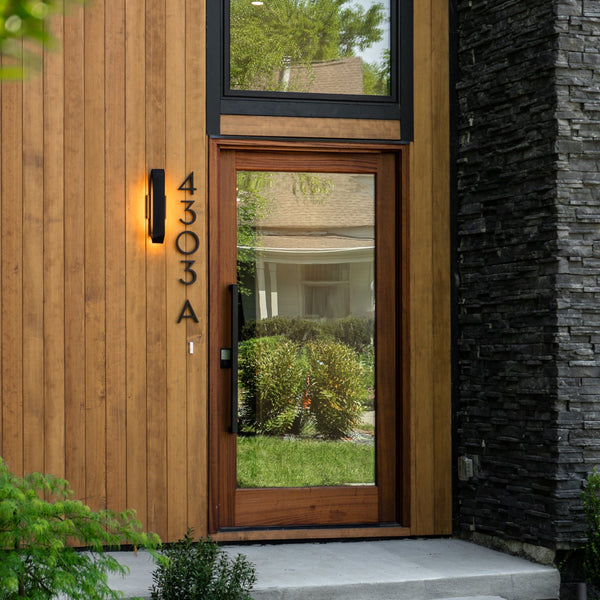
Homeowners are gravitating toward bold contrasts (such as black metal against light siding), backlit and illuminated options fueled by LED technology, and fully customizable designs that reflect personal style. These choices range from simple wall-mounted plaques to vertical porch-leaning signs.
Personalization goes beyond adding a family name. Material pairing, font selection, and layout decisions all shape a sign that feels intentional and unique to your home.
Proper installation methods vary by material, and routine care (including basic cleaning and hardware checks) protects your investment over time. Eco-friendly material options and manufacturer warranties also factor into a smart purchasing decision.
What Features Define a Modern Welcome Sign?
The features that define a modern welcome sign include weather-resistant materials, minimalist design elements, and proper sizing for the home entrance. The following sections cover how materials affect durability, which design choices create a contemporary look, and what dimensions work best for different entryways.
How Do Materials Influence the Look and Durability of Modern Welcome Signs?

Materials influence the look and durability of modern welcome signs by determining both weather resistance and visual character. Aluminum is one of the most dependable weather-resistant sign materials because it does not rust and remains flat through extreme heat or cold. Powder-coated aluminum pairs resilience with a sleek, modern finish, while natural wood offers warmth suited to rustic-contemporary styles.
Choosing the wrong material carries real consequences. According to Artful Printers, 65% of outdoor signs in Florida's tropical climate require replacement within two years unless constructed with high-durability materials. Some manufacturers now back materials like painted outdoor-rated MDF and MDO with five-year outdoor warranties, reflecting confidence in their longevity.
Material choice also affects price. Installation method, finish type, and material all influence the final cost, so balancing aesthetic goals with long-term performance is essential when selecting a welcome sign material.
Which Design Elements Make a Welcome Sign Stand Out as Modern?
The design elements that make a welcome sign stand out as modern are clean typography, minimalist layouts, and restrained color palettes. Popular modern typography for signage includes sans-serif fonts such as Palm Springs, Austin, and SoHo, favored for their clean lines and minimalist appeal.
Several elements distinguish modern signs from traditional ones:
-
Sans-serif fonts with uniform stroke widths and geometric proportions.
-
Generous negative space that lets the text breathe against the background.
-
Monochromatic or two-tone color schemes, often pairing black metal against light-colored siding.
-
Flush-mounted or floating hardware that eliminates visible brackets.
This simplicity can also be more cost-effective, since minimalist design avoids the intricate ornamentation that drives up production costs in traditional signage. Opting for powder-coated finishes adds both modern appeal and practical protection.
What Size and Placement Options Suit Different Home Entrances?
The size and placement options that suit different home entrances depend on the entrance scale, viewing distance, and mounting surface. For vertical porch-leaning signs, popular modern dimensions typically range from 48" x 12" to 60" x 14" to ensure visibility and proper scale relative to the home entrance.
Key placement considerations include:
-
Wall-mounted signs work best beside or above the front door on homes with covered porches.
-
Stake-mounted signs suit properties with garden beds or landscaped walkways where wall space is limited.
-
Leaning porch signs complement tall entryways with columns or deep overhangs.
Proportion matters more than absolute size. A sign that is too small for a grand entrance disappears visually, while an oversized sign on a modest porch overwhelms the facade. Matching the sign's dimensions to the architectural scale of the entry creates a balanced, intentional look that reinforces curb appeal.
With the right features selected, understanding how modern welcome signs compare to traditional styles helps clarify why contemporary designs continue to gain popularity.
Why Should You Choose a Modern Welcome Sign Over Traditional Styles?
You should choose a modern welcome sign over traditional styles because it elevates curb appeal, complements current architecture, and offers cleaner visual impact. The sections below cover how modern signs boost property perception and the specific benefits contemporary designs hold over classic alternatives.
How Do Modern Welcome Signs Enhance Curb Appeal?

Modern welcome signs enhance curb appeal by introducing clean lines, bold materials, and minimalist design that create an immediate impression of quality and intentional style at a home's entrance. Because curb appeal influences how visitors and buyers judge value, safety, and care within moments, a well-chosen sign serves as more than decoration. According to a 2020 study by The University of Texas at Arlington, curb appeal in residential housing can account for up to 7% of a home's value at sale. A sleek, contemporary welcome sign signals that the homeowner pays attention to architectural details, which elevates the entire exterior presentation. Routine cleaning with soap and water keeps these signs looking sharp and readable year-round.
What Are the Benefits of Contemporary Versus Classic Welcome Signs?
The benefits of contemporary versus classic welcome signs center on visual cohesion, cost efficiency, and design flexibility for today's architecture. Contemporary signs prioritize simplicity and minimalism, which can make them more cost-effective than traditional designs that rely on ornate detailing. Key advantages of modern welcome signs include:
-
Streamlined aesthetics that pair naturally with current home styles, from mid-century to minimalist facades.
-
Lighter visual weight that avoids competing with other exterior elements.
-
Versatile material options, such as powder-coated aluminum, that resist rust and maintain their finish across seasons.
-
Easier long-term upkeep compared to carved wood or wrought iron alternatives.
Traditional signs do offer broad variety in shape and style while requiring minimal maintenance once installed. However, for homeowners seeking a cohesive, architect-quality entrance, contemporary designs deliver a more intentional first impression. With these design advantages in mind, exploring the most popular modern sign types helps narrow down the right fit for your home.
What Types of Modern Welcome Signs Are Most Popular Among Homeowners?
The most popular types of modern welcome signs among homeowners include sleek finished metal designs, illuminated or backlit options, and fully customizable pieces. Each type reflects distinct preferences in finishes, lighting, and personalization.
What Are the Most Sought-After Finishes and Fonts for Modern Signs?
The most sought-after finishes and fonts for modern signs combine matte powder-coated metals with clean sans-serif typography. Brushed aluminum, matte black, and dark bronze-toned finishes dominate because they pair naturally with contemporary home exteriors. Black metal finishes, in particular, provide striking contrast against light-colored siding, a trend gaining momentum in 2026.
On the typography side, sans-serif font families lead in popularity. Popular modern typography for signage includes sans-serif fonts such as Austin, SoHo, and Backbay, favored for their clean lines and minimalist appeal. The Palm Springs font has also emerged as a top-performing style, blending an iconic mid-century aesthetic with broad architectural versatility.
For homeowners seeking timeless results, pairing a matte-finish material with a geometric sans-serif font creates the strongest visual impact at the entrance.
Are Illuminated or Backlit Welcome Signs Gaining Popularity?
Yes, illuminated or backlit welcome signs are gaining significant popularity among homeowners. LED-based backlit signage has moved well beyond commercial applications into residential design, driven by falling LED costs and growing demand for energy-efficient exterior lighting.
According to MarketsandMarkets, the global LED lighting market was valued at USD 78.4 billion in 2024 and is projected to reach USD 118.43 billion by 2029, fueled by demand for energy-efficient solutions including illuminated signage. This growth directly supports wider residential adoption of backlit welcome signs.
Backlit signs offer practical benefits beyond aesthetics:
-
They improve nighttime visibility for visitors and delivery services.
-
LED technology consumes minimal energy compared to traditional lighting.
-
Soft halo lighting adds depth and dimension to an entryway after dark.
Illuminated signage represents one of the fastest-growing categories in residential exterior decor, making it a smart long-term investment.
How Do Customizable Welcome Signs Reflect Personal Style?
Customizable welcome signs reflect personal style by letting homeowners select specific combinations of materials, fonts, colors, sizes, and messaging that align with their home's architecture and their own aesthetic preferences. Rather than settling for mass-produced options, customization transforms a welcome sign into a deliberate design statement.
Key personalization choices include:
-
Font selection, like geometric sans-serifs.
-
Material and finish pairing, such as powder-coated aluminum or natural wood.
-
Custom text, including family names, addresses, or short greetings.
-
Size and orientation tailored to the entrance proportions.
Custom residential welcome signs involve careful design considerations, including material choice and installation method, which influence both the final appearance and durability. This level of intentionality is what separates a generic sign from one that genuinely communicates who lives inside.
With popular sign categories now defined, understanding how to personalize these options further helps create a truly distinctive entryway.
How Can You Personalize a Modern Welcome Sign for Your Home?

You can personalize a modern welcome sign by selecting custom materials, finishes, fonts, and layout configurations that match your home's architecture. The following subsections cover available customization options and design tips for a welcoming entryway.
What Customization Options Are Available for Modern Welcome Signs?
The customization options available for modern welcome signs include material selection, font style, finish color, size, and mounting method. Powder-coated aluminum allows you to choose from finishes like matte black, brushed aluminum, or dark bronze to complement your exterior palette. Font families range from clean sans-serifs to distinctive architectural typefaces, each changing the sign's visual character. Additional options include custom text (family names, addresses, or greetings), layout orientation (horizontal or vertical), and hardware type (concealed studs, standoffs, or flush-mount brackets). According to Post and Porch, modern signage trends for 2026 emphasize bold materials such as black metal to provide striking contrast against light-colored home siding. Pairing a high-contrast finish with a minimalist font is one of the most effective ways to make a welcome sign feel both personal and architecturally intentional.
Are There Design Tips for Creating a Unique, Welcoming Entryway?
There are several design tips for creating a unique, welcoming entryway that feels cohesive and inviting:
-
Scale the sign to your entrance; larger doorways and porches support bolder dimensions, while compact stoops benefit from restrained sizing.
-
Choose a finish that contrasts with your siding or door color so the sign reads clearly from the street.
-
Limit text to one or two lines to preserve a clean, modern aesthetic.
-
Position the sign at eye level or slightly above, centered on the most visible surface near your front door.
-
Coordinate the sign's material with existing hardware, such as door handles or light fixtures, for a unified look.
Layering complementary elements like potted plants, pathway lighting, or a simple doormat reinforces the welcoming atmosphere your sign establishes. With personalization decisions made, proper installation and ongoing care will keep your welcome sign looking its best.
How Do You Install and Maintain a Modern Welcome Sign?
You install and maintain a modern welcome sign by selecting the correct mounting method for your sign's material and performing regular upkeep. The sections below cover installation techniques for different materials and maintenance practices that protect your investment.
What Installation Methods Work Best for Various Sign Materials?
The installation methods that work best for various sign materials depend on the material, weight, and mounting surface. Aluminum signs perform well with concealed standoff hardware or flush-mount brackets secured into masonry or wood framing. Lighter materials, such as acrylic or composite panels, can use adhesive mounting or keyhole brackets.
Heavier signs made from natural wood or steel require lag bolts anchored into structural studs. For any outdoor placement, stainless steel fasteners prevent corrosion at attachment points.
When choosing materials, sustainability also matters. According to the Hornbeck Group, selecting sustainable signage materials such as timber and recycled plastics can significantly reduce the environmental impact of home entrance decor. Prioritizing weather-appropriate, eco-conscious materials at the installation stage saves both replacement costs and environmental resources over time.
How Can You Ensure the Longevity and Cleanliness of Modern Welcome Signs?
You can ensure the longevity and cleanliness of modern welcome signs through routine maintenance and periodic hardware inspections. A mild soap-and-water solution, applied with a soft cloth, removes environmental buildup without damaging finishes or coatings.
Beyond cleaning, structural checks are equally important. According to Image360, tightening loose screws and bolts and replacing any missing parts promptly ensures the sign stays sturdily in place, directly contributing to its longevity. Seasonal inspections catch weather-related wear before it becomes costly damage. For vertical porch leaning signs, which typically range from 48" x 12" to 60" x 14", confirming that the sign rests securely against the wall prevents tipping.
With installation and care routines established, understanding what to look for when purchasing ensures you choose a sign worth maintaining.
What Should You Consider When Buying a Modern Welcome Sign?
When buying a modern welcome sign, you should consider budget, sustainability, and warranty coverage. These three factors determine long-term satisfaction with your purchase.
How Does Budget Relate to Quality in Modern Welcome Signs?
Budget relates to quality in modern welcome signs through material selection, craftsmanship, and production method. Lower-priced signs often use thin vinyl or composite materials that fade and warp within a single season. Higher budgets unlock solid metals like recycled aluminum, powder-coated finishes, and handcrafted construction that withstands years of sun and rain exposure.
Custom residential welcome signs are subject to a variety of design considerations, including material choice and installation method, which influence the final price point and durability. Investing more upfront in architect-designed, made-to-order signage almost always reduces replacement costs over time, making the higher initial spend more economical in practice.
Are Eco-Friendly and Sustainable Welcome Sign Options Available?

Yes, eco-friendly and sustainable welcome sign options are available from manufacturers that prioritize recycled materials and responsible production. Signs crafted from recycled aluminum, reclaimed wood, or recycled plastics reduce environmental impact without sacrificing durability or modern aesthetics.
When evaluating sustainability claims, look for third-party verification. The Global Recycled Standard (GRS) certifies that a product contains at least 20% recycled materials, according to The Sustainable Agency, providing a reliable benchmark for eco-friendly signage. Made-to-order production models also minimize waste by eliminating unsold inventory. For homeowners who value both design and environmental responsibility, choosing a manufacturer that sources locally and uses lean processes makes a measurable difference.
How Does Modern House Numbers Help You Create the Perfect Modern Welcome Sign?
Modern House Numbers helps you create the perfect modern welcome sign through architect-designed, handcrafted signage built from premium materials. The following sections cover how this approach improves curb appeal and summarize the key takeaways from this guide.
How Does Choosing Architect-Designed, Handcrafted Signage From Modern House Numbers Improve Curb Appeal?
Choosing architect-designed, handcrafted signage from Modern House Numbers improves curb appeal by combining professional design expertise with durable, precision-crafted materials. Every sign is made to order in Tucson, Arizona, using solid, recycled aluminum that resists rust and maintains its appearance through extreme weather. Powder-coated aluminum and natural wood offer a timeless, durable foundation for minimal, modern aesthetic fixtures, according to a 2025 trend analysis by Post and Porch. Modern House Numbers pairs these materials with architect-selected fonts and clean lines, ensuring each welcome sign complements the home's architectural style. Modern House Numbers also includes personalized drilling templates and concealed hardware with every order, so the finished installation looks seamless and professional.
What Are the Key Takeaways About the Best Modern Welcome Signs to Impress Your Guests?
The key takeaways about the best modern welcome signs to impress your guests center on material selection, design cohesion, and ongoing care:
-
Prioritize weather-resistant materials like aluminum and powder-coated finishes for long-term durability.
-
Choose clean, sans-serif typography and minimalist layouts to achieve a distinctly modern look.
-
Scale signage to your entrance; vertical porch signs between 48" x 12" and 60" x 14" maintain proper visibility.
-
Maintain signs with routine soap-and-water cleaning and periodic hardware checks.
-
Personalize with custom fonts, finishes, and layouts that reflect your home's character.
For homeowners ready to elevate their entrance, Modern House Numbers offers the architect-designed craftsmanship and customization to bring that vision to life.