 Numbers + Letters
 QuickShip
 Plaques
 Decals
 Custom
 Trade
Trade


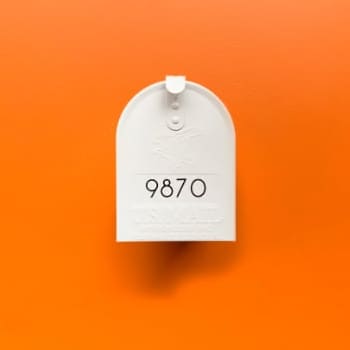
Mailbox decals are vinyl or material-based address displays applied directly to a mailbox to show house numbers, names, and decorative elements that reflect a home's exterior design. The right decal does more than mark an address; it anchors the entire curbside impression.
This guide covers what to look for when selecting decals, the most popular design options, USPS compliance requirements, proper installation and maintenance, and how sustainable or architect-designed decals connect to real curb appeal and home value outcomes.
Selecting the right decal starts with three practical filters: architectural style compatibility, number size and visibility, and material durability. Each factor shapes whether a decal looks intentional or generic, and whether it lasts one season or several years.
Design choices range from black minimalist colors to coastal palettes and mid-century retro typography. Color, font, and motif work together to signal style from the curb, and personalization options like family names and custom number configurations extend that expression further.
USPS rules set the compliance baseline. Numbers must appear in a contrasting color at least 1 inch high on the carrier-facing side, and no advertising is permitted on the mailbox or its support.
Installation and maintenance determine how long a well-chosen decal actually lasts. Surface prep, application temperature above 50°F, and gentle ongoing cleaning are the core variables that separate a 3-year result from a 7-year one.
Finally, sustainable materials and architect-designed decals carry measurable weight. Good curb appeal can raise a property's value by up to seven percent, and a precisely designed decal extends that intentionality to the address itself.
What factors should you consider when selecting mailbox decals?
The factors to consider when selecting mailbox decals include architectural style compatibility, size and visibility, and material durability. Each sub-section below addresses one of these criteria to help you make a confident, informed choice.
How does your home's architectural style influence mailbox decal choice?
Your home's architectural style influences mailbox decal choice by determining which fonts, colors, and graphic motifs create visual harmony with the facade. A geometric, sans-serif decal suits minimalist or industrial homes, while ornate script complements Victorian or Craftsman Revival styles. According to e-architect, the mailbox should complement the building's facade, landscape, and entryway — for example, a geometric metal mailbox works well with a minimalist structure, while a handcrafted cedar box suits a Scandinavian or cottage-style home. Traditional post-mounted designs range from elaborate Victorian-era filigree to classic Craftsman Revival details. Matching your decal's typography and motifs to this same spectrum keeps the entire streetscape coherent.
What role do size and visibility play in picking mailbox decals?
Size and visibility play a critical role in picking mailbox decals because decals must be large enough for carriers and emergency responders to read from a moving vehicle. The USPS Domestic Mail Manual requires every curbside mailbox to bear its number in contrasting color in neat letters and numerals at least 1 inch high on the side visible to the carrier's approach. In practice, larger numerals, 2 to 3 inches, improve legibility at speed and in low-light conditions. Prioritizing high-contrast color pairings, such as white on black or black on silver, compounds this readability benefit.
How can material durability affect your mailbox decal selection?
Material durability directly affects your mailbox decal selection because outdoor exposure degrades adhesion, color, and legibility over time. Commercial-grade outdoor vinyl used for mailbox decals is designed to last 6 or more years in all weather conditions, including blazing sun, salty ocean air, and snow, according to Eastcoast Engraving. Standard vinyl with UV-protective coating offers roughly 3 to 7 years of performance, while polyester-based decals can exceed 10 years with superior UV blocking. For coastal or high-sun climates, upgrading to commercial-grade vinyl from the outset is the more cost-effective long-term choice.
Which design options are most popular for mailbox decals?

The most popular design options for mailbox decals span trending architectural styles, personalized themes, and color-coordinated finishes. The sections below cover trending styles and finishes, personalization strategies, and color combinations that work best with home exteriors.
What are the trending styles and finishes for mailbox decals?
The trending styles and finishes for mailbox decals include industrial, minimalist, and natural organic aesthetics. According to e-architect, industrial and minimalist styles feature matte black finishes, sharp angles, and stainless steel for a streamlined, contemporary appearance, while natural and organic designs incorporate wood, stone, or weathered metal finishes that appeal to biophilic and environmentally conscious builds.
Popular theme categories include:
-
Farmhouse: Rustic lettering and earthy tones for cottage-style homes.
-
Minimalist: Clean sans-serif fonts with non-reflective options..
-
Coastal: Light, airy palettes with nautical-inspired typography.
-
Vintage/Mid-century: Bold colors and retro typography suited to Eichler-style homes.
The color you choose signals architectural intent from the curb, making it one of the most impactful micro-decisions in exterior design.
How can you personalize mailbox decals to reflect your home's personality?
Personalization options for mailbox decals include custom house numbers, family names, decorative motifs, and font styles that reflect a home's character. Beyond aesthetics, mailbox decorations nurture connections, reflect pride, and can potentially elevate property values, according to Homestyler. The Global Residential Mailboxes Market is projected to grow from USD 107 million in 2024 to USD 244 million by 2032 at a 7.1% CAGR, signaling that homeowners are investing more intentionally in this detail.
Effective personalization approaches include:
-
Font selection: Script fonts add elegance; bold sans-serif fonts prioritize clarity.
-
Name addition: The mailbox may legally bear the owner's name per USPS guidelines.
-
Color customization: Matching or contrasting the home's trim creates visual cohesion.
-
Motif integration: Floral, geometric, or architectural line-art elements reinforce style themes.
What color combinations work best for mailbox decals and home exteriors?

The color combinations that work best for mailbox decals depend on the home's architectural style and facade palette. The USPS Domestic Mail Manual requires box numbers to be inscribed in a contrasting color at least 1 inch high for carrier visibility, so legibility must anchor every color decision.
Effective pairings by style include:
-
Minimalist/Industrial: White or silver decals on matte black boxes.
-
Mid-century modern: Bold accent colors (blue, green, brass) with retro typography on neutral boxes.
-
Scandinavian/Cottage: Natural wood-tone boxes with dark bronze or green lettering.
-
Traditional: Black decals on white or cream boxes with classic serif fonts.
Kerrie Kelly, lead interior designer at Kerrie Kelly Design Lab, emphasizes that coordinating mailbox finishes with the exterior facade and entryway hardware elevates the entire curbside impression. Matching the decal color to door hardware or trim creates an intentional, designed look that no off-the-shelf solution can replicate.
How do you ensure your mailbox decals are compliant with USPS regulations?
Ensuring compliance means following USPS rules on number visibility, placement, and prohibited content. The sub-sections below cover the specific guidelines for mailbox numbers and decals, plus how to verify sizing and placement.
What USPS guidelines apply to mailbox numbers and decals?
The USPS guidelines that apply to mailbox numbers and decals require every curbside mailbox to display a box number inscribed in contrasting color, in neat letters and numerals at least 1 inch high, on the side visible to the carrier's regular approach. If local authorities have assigned a street name and house number, that house number must appear on the box. The mailbox may also bear the owner's name. Critically, any advertising on a mailbox or its support is prohibited under the USPS Domestic Mail Manual, meaning decorative decals must contain no promotional content. Real-world feedback from carriers reinforces visibility as a priority: "When you're facing the mailbox, your house number on the right side of the mailbox please. Both sides are best, but at least the right."
How can you verify sizing and placement meet legal mailbox requirements?
You can verify sizing and placement by consulting the USPS Domestic Mail Manual and confirming with your local postmaster before installing or modifying any equipment. Curbside mailboxes must be positioned to allow safe, convenient delivery without carriers leaving their vehicles, and the approach must remain clear of obstructions. USPS equipment approval is required; customers should discuss permitted equipment types with their postmaster before purchasing. Pedestal mailboxes positioned near a walkway or entry offer flexible placement options while preserving accessibility for carriers.
What is the best way to install and maintain mailbox decals?
The best way to install and maintain mailbox decals involves proper surface preparation, correct application temperature, and routine upkeep. The sections below cover step-by-step installation and ongoing maintenance to maximize decal lifespan.
What are the steps to properly install mailbox decals?
The steps to properly install mailbox decals are surface cleaning, temperature verification, and careful application. Before applying, wipe the mailbox surface thoroughly with rubbing alcohol to remove dirt and grime, ensuring optimal adhesion. The application temperature should be above 50°F (10°C), as extreme cold or heat compromises the bond. Decals must only be applied to clean, smooth, and dry surfaces; rough textures, wet conditions, or freezing temperatures will prevent proper sticking.
Follow these steps in order:
-
Clean the surface with rubbing alcohol and let it dry completely.
-
Confirm ambient temperature is above 50°F.
-
Measure the desired number location. Place a piece of tape to align the bottom edge of the numbers.
-
Peel off the number backing and align with the tape guide.
-
Press numbers firmly onto the mailbox. Apply even pressure along the entire surface.
-
Slowly peel off the front transfer film at a low angle once the decal is adhered. Remove tape.
What maintenance tips help mailbox decals last longer and look new?
Maintenance tips that help mailbox decals last longer include gentle cleaning, avoiding abrasive materials, and periodic inspection for lifting edges. With proper care and high-quality vinyl, mailbox decals can last between 3 to 7 years, though direct sunlight or extreme weather may reduce that lifespan. Wash the decal surface with mild soap and water; never use harsh solvents or pressure washing, which can lift edges prematurely. Press down any lifting corners quickly to prevent moisture intrusion beneath the adhesive layer.
In practice, decals placed on shaded or north-facing mailboxes consistently outlast those in full sun exposure. Investing in commercial-grade outdoor vinyl from the start is the single most impactful maintenance decision a homeowner can make.
How can sustainable and architect-designed mailbox decals enhance curb appeal?
Sustainable and architect-designed mailbox decals enhance curb appeal by combining intentional design with durable, eco-conscious materials to signal that a home is thoughtfully maintained. The sections below cover sustainable material choices, the difference between architect-designed and standard decals, and the measurable impact on home value.
Why should you choose sustainable materials for mailbox decals?
Sustainable materials for mailbox decals matter because they reduce waste, last longer, and align the exterior detail with an eco-conscious design philosophy. Made-to-order decals produced in small batches minimize overproduction, keeping unnecessary materials out of landfills. Locally sourced or recycled-content vinyl also carries a lighter production footprint than mass-manufactured alternatives. From a practical standpoint, high-quality sustainable materials resist UV exposure, moisture, and seasonal temperature shifts, meaning fewer replacements over time. This makes them the better long-term value, not just the more responsible choice.
How do architect-designed mailbox decals differ from standard options?
Architect-designed mailbox decals differ from standard options in proportion, typographic precision, and architectural coherence. Standard decals prioritize low cost and generic legibility. Architect-designed options consider the relationship between number scale, font geometry, finish color, and the home's overall facade language. According to the USPS Domestic Mail Manual, curbside mailboxes must bear house numbers inscribed in contrasting color in neat letters and numerals at least 1 inch high on the side visible to the carrier's approach, so compliance is the baseline. Architect-designed decals meet that standard while elevating it, ensuring the address reads both to the carrier and as a deliberate design element.
What impact do custom, well-designed decals have on home value and curb appeal?
Custom, well-designed decals have a measurable impact on home value and curb appeal by signaling attention to detail at the first point of contact. According to The Journal of Real Estate Finance and Economics, good curb appeal can raise a property's value by up to seven percent. A wall-mounted mailbox with classic detailing, coordinated with the home's exterior using a contrasting finish, can provide a noticeable facelift to an entry. The National Association of Realtors reports that 92% of member realtors suggest sellers improve curb appeal before listing. A well-chosen mailbox makes a property look intentional rather than hastily assembled, and a precisely designed decal extends that same intentionality to the address itself.
How does Modern House Numbers help homeowners select and customize mailbox decals?

Modern House Numbers helps homeowners by offering architect-designed, fully customizable mailbox decals with options spanning colors, finishes, and number styles. The sections below cover the customization services available and the key takeaways from this guide.
What services does Modern House Numbers offer for mailbox decal customization and installation?
The services Modern House Numbers offers for mailbox decal customization include made-to-order decals, personalized number and letter configurations, and architect-curated design options that align with any home's exterior.
Modern House Numbers was founded by architects Brandy and Rick McLain, and that design expertise runs through every product. Decals are handcrafted in Tucson, Arizona, and every order includes step-by-step installation instructions for a professional result.
A well-designed mailbox sets the tone for the entire property, serving as a visitor's first visual cue to the design sensibilities inside (e-architect). For homeowners who want that first impression to count, choosing an architect-designed decal rather than a generic option is one of the most impactful low-cost upgrades available.
What are the key takeaways about how to choose the best mailbox decals for your home we covered?
The key takeaways about how to choose the best mailbox decals are:
-
Match your home's style. Select fonts, colors, and finishes that complement your architectural aesthetic.
-
Prioritize visibility. As one USPS carrier noted, place your house number on the right side of the mailbox when facing it, with both sides being ideal.
-
Choose durable materials. Commercial-grade vinyl and aluminum stand up to weather across seasons.
-
Follow USPS sizing rules. Numbers must be at least 1 inch high in a contrasting color on the carrier-facing side.
-
Prep surfaces properly. Clean, dry, smooth surfaces above 50°F ensure lasting adhesion.
-
Customize intentionally. Personalization options like color, finish, and font style let your decal reinforce your home's overall design story.