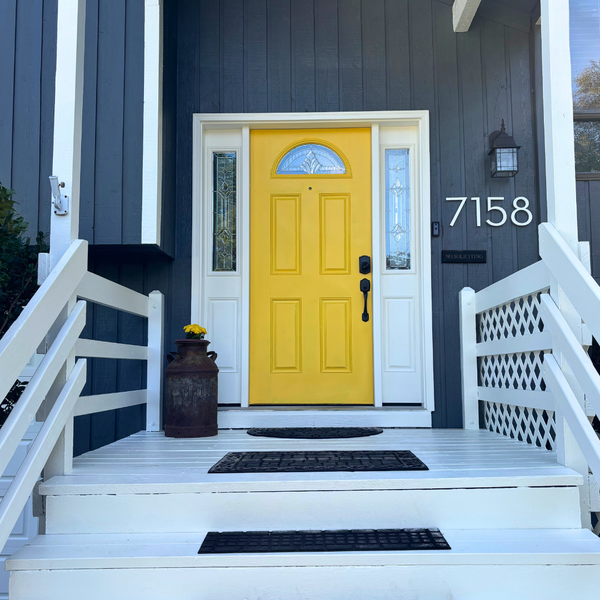
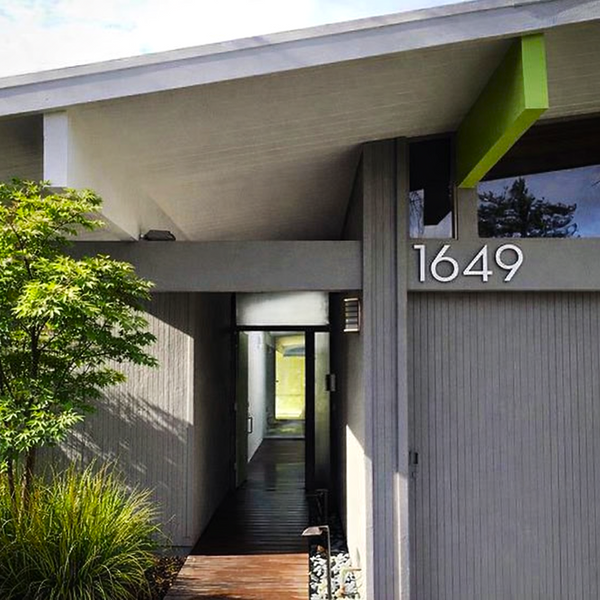
 Numbers + Letters
 QuickShip
 Plaques
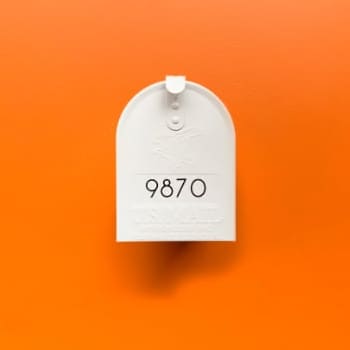 Decals
 Custom
 Trade
Trade


House number placement is the deliberate positioning of address numbers and letters on a residential property to maximize street-level visibility, code compliance, and aesthetic harmony with the home's architecture.
This guide covers visibility and safety considerations, optimal mounting locations, height and spacing standards, material and finish selection, installation techniques, and personalization for curb appeal.
Properly displayed house numbers serve a dual purpose: they strengthen a home's first impression for visitors and potential buyers, and they enable emergency responders to locate the correct property without delay. Poorly visible addresses can cost critical seconds when firefighters or paramedics are searching for a home during a crisis.
Where you mount your numbers matters as much as the numbers themselves. Placement near the front door, on a mailbox, or at the curb each carries distinct advantages depending on your property's setback, landscaping, and street orientation. Proximity to a dedicated light source keeps the address readable after dark.
Many residential codes require address characters to be at least 4 inches tall with a half-inch stroke width, mounted at eye level between 4 and 5 feet above the ground. Proper character spacing, generally 10% to 35% of the letter height, ensures legibility from the street and complements the architectural lines of the facade.
Durable materials like recycled aluminum resist rust and weathering for years, while the right finish balances daytime glare reduction with nighttime reflectivity. Pairing material choice with correct mounting hardware and a level drilling template produces a clean, secure installation that lasts.
Thoughtful font selection and custom address plaques do more than look polished; a well-maintained exterior can meaningfully increase property value by signaling pride of ownership to every passerby.
Why Is the Placement of House Numbers and Letters Important?
The placement of house numbers and letters is important because it directly affects how easily visitors, delivery drivers, and emergency responders locate a property. Proper positioning also influences curb appeal, code compliance, and safety outcomes.
How Does Proper Placement Affect Visibility and Curb Appeal?
Proper placement affects visibility and curb appeal by ensuring address numbers are legible from the street while enhancing the home's exterior design. Numbers aligned with a home's architectural lines create a balanced, cohesive appearance that signals attention to detail.
Well-positioned house numbers also carry measurable financial value. According to TB Lawn Care research, 92% of realtors advise sellers to improve curb appeal before listing, and attractive properties can sell for 7% more than similar homes with uninviting exteriors. Address signage is one of the first details a visitor notices, so thoughtful placement transforms a functional requirement into a design statement. For homeowners weighing placement options, prioritizing both sightline visibility and architectural harmony delivers the strongest return on a relatively small investment.
What Are the Safety and Emergency Response Implications of House Number Placement?
The safety and emergency response implications of house number placement center on how quickly first responders can locate the correct property during a crisis. Poorly visible address signs delay firefighters and paramedics because they cannot identify the right home from a moving vehicle, as reported by Merritt first responders.
These delays carry life-or-death consequences. Each minute of EMS response delay correlates with a significant reduction in survival probability for out-of-hospital cardiac arrest patients. Correct postal positioning, placing the house number before the street name per U.S. Postal Service standards, also ensures accurate mail and package delivery. Maximizing contrast, sizing numbers to local code minimums, and choosing an unobstructed mounting location are the most effective steps homeowners can take to support rapid identification.
How Do Local Regulations and HOA Requirements Impact Placement?
Local regulations and HOA requirements impact placement by dictating minimum number height, stroke width, contrast, mounting location, and sometimes approved materials or fonts. Most U.S. jurisdictions follow the International Residential Code, which sets baseline standards, while individual cities may impose stricter rules.
HOA communities often add another layer of restrictions, specifying acceptable colors, sign styles, or precise mounting positions. Noncompliance can result in fines; California courts, for example, can impose a $500 penalty per denied request under Civil Code §5235 for HOA violations. Homeowners should review both municipal fire code requirements and any HOA architectural guidelines before selecting a placement location. Checking these rules early prevents costly reinstallation and ensures the address meets both legal standards and neighborhood expectations.
Which Locations on a Property Are Most Effective for Displaying House Numbers and Letters?

The most effective locations for displaying house numbers and letters include above the front door, on the mailbox or curb, and near exterior lighting. Each position offers distinct advantages depending on property layout and street visibility.
What Are the Pros and Cons of Placing Numbers Above the Door?
The pros of placing numbers above the door include high visibility for visitors approaching the entrance and natural alignment with architectural focal points. This position keeps numbers protected under eaves or porches, reducing weather exposure.
The cons, however, are significant for street-facing readability. Numbers mounted above the door can be difficult to see from the road, especially on homes set far back from the street. Landscaping, columns, or recessed entryways may further obstruct sightlines. For properties with long driveways, pairing above-door placement with a secondary location closer to the street is the most practical solution.
Is It Better to Mount House Numbers on the Mailbox or Curb?
Mounting house numbers on the mailbox or curb depends on how your property faces the street. Mailbox mounting places numbers at direct eye level for passing drivers, making identification fast and intuitive.
Curb-mounted numbers, such as painted stencils or reflective decals, offer strong visibility from the road but can wear quickly from weather and foot traffic. According to Post & Porch, placing a dedicated light source nearby helps make address numbers visible from the street after dark, even if the numbers themselves are not illuminated. Mailbox numbers generally last longer and remain legible in more conditions. For best results, use both locations as complementary markers rather than relying on one alone.
How Does Placement Near Lighting Improve Readability?
Placement near lighting improves readability by ensuring house numbers remain visible after sunset. A nearby porch light, sconce, or landscape spotlight illuminates the numbers without requiring built-in LED characters.
Positioning numbers within the cone of an existing light fixture eliminates the need for separate illuminated signage. Solar-powered path lights or low-voltage spotlights aimed at the address also work well for properties where wall-mounted fixtures are impractical. Without adjacent lighting, even high-contrast numbers become effectively invisible to drivers and delivery personnel once daylight fades. Prioritizing a placement zone already served by exterior lighting is one of the simplest ways to double your address visibility around the clock.
Should House Numbers Be Visible from Multiple Approaches or Streets?

House numbers should be visible from multiple approaches or streets, particularly on corner lots, cul-de-sacs, or properties with entrances facing different directions. NFPA 1 fire code requires address numbers to be plainly legible and visible from the street or road fronting the property.
Properties with dual frontage benefit from displaying numbers on each street-facing side. Consider these placement strategies for multi-approach visibility:
-
Mount primary numbers on the front facade facing the main road.
-
Add secondary numbers on a side wall, fence, or gate visible from the cross street.
-
Place reflective mailbox or curb numbers near intersections for passing traffic.
For homes where a single location cannot serve every sightline, redundant placement ensures emergency responders and visitors identify the address quickly from any direction.
What Factors Should Influence the Height and Spacing of House Numbers and Letters?
The factors that should influence the height and spacing of house numbers and letters include local building codes, viewing distance from the street, and your home's architectural style. The sections below cover recommended dimensions, proper character spacing, and design considerations.
What Is the Recommended Height for Maximum Visibility?
The recommended height for maximum visibility is a minimum of 4 to 5 inches for the characters themselves, with mounting placement between 4 and 5 feet above ground level. The International Residential Code sets a baseline of 4 inches tall with a half-inch stroke width, though some municipalities require more. According to the City of Colorado Springs Fire Department, numbers and letters shall be a minimum of 5 inches in height with no less than a half-inch stroke. Homes set farther from the street often benefit from even larger characters, since distance reduces legibility quickly. Mounting at eye level, typically 48 to 60 inches above grade, keeps numbers within the natural sightline of visitors, delivery drivers, and first responders approaching on foot.
How Much Space Should Be Between Each Number or Letter?
The space between each number or letter should fall between 10% and 35% of the character height. According to U.S. Access Board ADA standards, this range ensures maximum legibility for observers viewing from a distance. For a 5-inch-tall number, that translates to spacing of roughly 0.5 to 1.75 inches between characters.
Key spacing guidelines include:
-
Characters spaced below 10% of their height appear crowded and blur together at distance.
-
Spacing beyond 35% causes viewers to read individual digits rather than a cohesive address.
-
A minimum half-inch gap between characters maintains distinct recognition from the street.
Tighter spacing suits shorter addresses with two or three digits, while longer addresses benefit from the wider end of the range to prevent visual compression.
How Do Architectural Styles Influence Height and Spacing Decisions?
Architectural styles influence height and spacing decisions by establishing proportional relationships between house numbers and surrounding design elements. A mid-century modern facade with clean horizontal lines pairs well with oversized, widely spaced numbers that echo that openness. Traditional or Craftsman homes, with their detailed trim and layered textures, often call for more conservatively sized characters with tighter spacing to avoid overwhelming ornamental features. The goal is visual harmony: numbers should complement the facade rather than compete with it. For most homeowners, aligning character scale with the proportions of the door, trim, or mounting surface produces the most cohesive result.
With height and spacing established, choosing the right materials ensures those numbers remain legible for years.
How Do Materials and Finish Choices Impact Placement Options?
Materials and finish choices impact placement options by determining where house numbers can withstand weather exposure and remain readable. The sections below cover outdoor durability and finish visibility under varying light.
Which Materials Offer the Best Durability for Outdoor Placement?
The materials that offer the best durability for outdoor placement include aluminum, brass, and stainless steel. Aluminum resists rust, fading, and harsh weather, making it a low-maintenance option that stays sharp and readable for years. Brass is a solid, non-corrosive alloy that ages gracefully, consistently ranking among the most durable address number materials available. Stainless steel withstands moisture and temperature swings without warping.
For illuminated house numbers placed outdoors, models with at least an IP65 weather resistance rating ensure durability against rain and environmental exposure, according to Alibaba Product Insights. Recycled aluminum, like the ⅜-inch thick material Modern House Numbers uses, combines weather resistance with sustainability. Choosing the right material early prevents placement compromises later, since less durable options may restrict numbers to sheltered locations only.
How Does Finish Choice Affect Visibility Under Different Lighting Conditions?
Finish choice affects visibility under different lighting conditions by controlling how light interacts with the surface of house numbers. Reflective or illuminated finishes help maintain visibility at night, while matte finishes reduce glare in direct sunlight during daylight hours, as noted by PacLights. A brushed metal finish scatters light softly, offering a balanced option for homes that receive both direct sun and ambient evening light.
Placement decisions should account for the finish selected. Numbers with a high-gloss reflective surface perform best in shaded or north-facing locations where glare is minimal. Matte black or powder-coated finishes suit south-facing walls that receive intense afternoon sun. Matching finish to the specific light exposure at your chosen mounting location ensures consistent readability around the clock.
What Are the Key Tips for Installing House Numbers and Letters Correctly?
The key tips for installing house numbers correctly include using drilling templates, leveling tools, proper hardware, and a routine maintenance plan. The following subsections cover each step.
Should You Use Personalized Drilling Templates for Installation?

Yes, you should use personalized drilling templates for installation. A custom template marks exact hole positions on paper, which you tape directly to your mounting surface before drilling. This eliminates guesswork and prevents costly misaligned holes in siding, brick, or stucco. Taping a custom drilling template in the desired location and using a level to ensure it is straight is a crucial step for professional house number installation. Modern House Numbers includes a free personalized drilling template with every order, so each character aligns precisely with your home's architectural lines. For multi-character addresses, templates also lock consistent spacing between numbers.
How Can You Ensure Level and Even Placement?
You can ensure level and even placement by combining a spirit level with consistent spacing measurements. Position the template at eye-level height, typically between 4 and 5 feet above ground, then confirm horizontal alignment with a torpedo or laser level before marking drill points. Character spacing should fall between 10% and 35% of the character height, as recommended by U.S. Access Board ADA standards, to ensure maximum legibility from the street. Maintaining at least half an inch between characters preserves distinct recognition at a distance. Aligning numbers with your home's horizontal architectural lines, such as window headers or trim edges, creates a balanced, cohesive appearance that complements the facade.
Which Tools and Hardware Are Essential for Secure Attachment?
The essential tools and hardware for secure attachment include a drill with masonry or wood bits matched to your surface, a spirit level, a tape measure, a pencil, mounting studs or threaded rods, and appropriate wall anchors. Applying a small amount of adhesive to the rods before inserting them into pre-drilled holes helps secure house numbers, according to House Numbers Australia. Concealed hardware, like the steel studs and spacers Modern House Numbers provides, creates a floating effect with a clean, architect-designed finish. For brick or stucco, use masonry anchors rated for outdoor loads. Always drill pilot holes slightly smaller than the mounting rod diameter to ensure a snug, weather-resistant fit.
How Should You Maintain and Clean House Numbers After Installation?
You should maintain and clean house numbers after installation by performing periodic inspections and gentle cleaning. Wipe surfaces with a soft cloth and mild soapy water every few months to remove dust, pollen, and grime. Avoid abrasive cleaners that scratch finishes. According to a 2025 study published in MDPI's Materials Journal, black acrylic materials can see a tenfold decrease in gloss after 12 months of exposure to destructive climatic factors, which underscores the importance of routine care. Aluminum and brass resist rust and fading more effectively, though all materials benefit from seasonal checks. Tighten any loosened hardware annually and inspect mounting points after severe weather to keep numbers secure and readable.
With installation and maintenance covered, personalizing your numbers further enhances curb appeal.
How Can House Numbers and Letters Be Personalized for Unique Curb Appeal?
House numbers and letters can be personalized for unique curb appeal through deliberate font selection, custom materials, and architectural coordination. The following sections cover style choices that balance function with design and how customized address plaques can influence property value.
What Styles and Fonts Enhance Both Function and Design?
The styles and fonts that enhance both function and design are minimalist sans-serif typefaces and oversized numerals that prioritize legibility from the street while reinforcing a modern aesthetic. Clean, geometric fonts pair naturally with contemporary architecture, while serif or script options complement traditional facades. Choosing a font with adequate stroke width ensures readability at distance, and scaling numbers slightly larger than code minimums creates a bold visual statement. For most homeowners, selecting a typeface that mirrors the home's architectural character produces the most cohesive result; the numbers should feel intentional, not like an afterthought.
Can Customized Address Plaques Improve Property Value?

Yes, customized address plaques can improve property value by elevating a home's first impression. According to Property Investment 101, a well-maintained exterior can increase property value by up to 10% by creating a positive first impression for potential buyers. Address numbers crafted from premium materials signal attention to detail that prospective buyers notice immediately. Aluminum numbers with a matte brass powder coat finish, for example, offer lasting durability with visual character. The powder coat finish won't chip, peel, or flake, making it ideal for coastal and industrial areas. Investing in a quality plaque is one of the simplest exterior upgrades that delivers measurable return, making it a practical choice for homeowners planning to sell or simply wanting to enhance their home's streetside presence.
How Can Modern House Numbers Support You in Choosing and Installing the Ideal House Numbers and Letters?
Modern House Numbers can support you by offering architect-designed custom address solutions, personalized drilling templates, and expert guidance that simplifies selection and installation. The following sections cover specific offerings and key placement takeaways.
What Custom Address Solutions and Personalized Support Does Modern House Numbers Offer?
Modern House Numbers offers custom address solutions that include handcrafted house numbers, letters, and plaques made to order from recycled aluminum in Tucson, Arizona. Every purchase includes a personalized drilling template and step-by-step installation instructions for worry-free mounting.
Modern House Numbers designs products that meet visibility codes. According to the International Residential Code via UpCodes, residential address numbers shall be a minimum of 4 inches (102 mm) high with a minimum stroke width of 1/2 inch (12.7 mm). Modern House Numbers provides seven font options and five durable finishes sized to satisfy these requirements while complementing any architectural style.
For homeowners unsure which size, font, or placement works best, Modern House Numbers delivers responsive customer support within 24 hours or 1 business day. This level of personalized guidance, paired with architect-designed products, makes achieving code-compliant, visually striking curb appeal far more straightforward than navigating the process alone.
What Are the Key Takeaways on Best Placement Tips for House Numbers and Letters?
The key takeaways on best placement tips for house numbers and letters center on visibility, spacing, alignment, and style:
-
House numbers should be placed in alignment with the architectural lines of your home to create a balanced and cohesive look.
-
Address identification characters shall contrast with their background and use Arabic numbers or alphabetical letters for clear legibility.
-
Spacing between characters should be at least half an inch apart to maintain distinct character recognition from the street.
-
Design trends favor minimalist sans-serif fonts and oversized numbers to enhance both visibility and modern curb appeal.
-
A dedicated light source near the numbers ensures readability after dark.
Proper placement is ultimately a balance between local code compliance, aesthetic harmony, and practical readability. Investing time in getting height, spacing, and contrast right protects both your home's safety and its visual identity for years to come.